
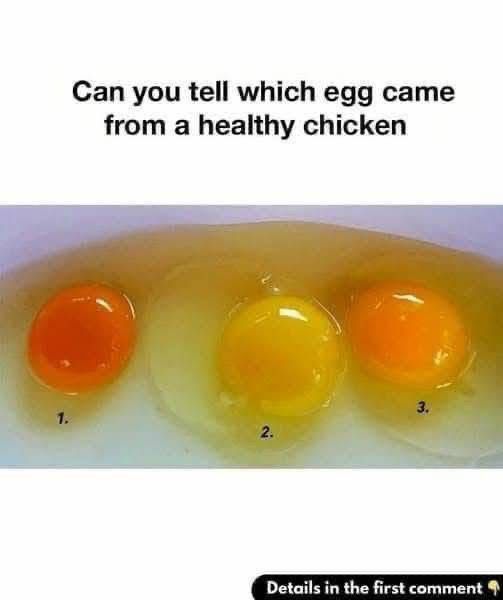
Cracking an egg may feel like second nature, but it’s also a quiet opportunity to learn something important about where your food comes from. Every egg reflects the health, diet, and living conditions of the hen that laid it. Learning how to spot a high-quality egg helps you make more informed choices in the kitchen while supporting better animal care and farming practices—without adding any extra effort to your routine.
Start with what you can see and feel before cracking it open. A good egg usually has a firm, solid shell that doesn’t feel brittle or thin when handled gently. Once opened, pay attention to the egg white: fresher, higher-quality eggs tend to have thick, clear whites that stay close to the yolk instead of spreading quickly. This structure often points to both freshness and proper nutrition in the hen’s diet.
The yolk offers some of the clearest clues. Eggs from well-cared-for chickens often have yolks that are richly colored—deep yellow or even orange—and sit high and rounded in the bowl. This usually reflects a varied diet that includes plants, grains, and natural forage. Pale or flat yolks can suggest limited nutrition or extended storage time. A clean, neutral smell is also key; fresh eggs shouldn’t have a strong odor of any kind.
Finally, simple habits can help confirm quality. The water test—placing an egg in a bowl of water—can indicate freshness, as newer eggs sink and lie flat. Choosing eggs from trusted local farms, pasture-raised producers, or clearly labeled sources increases the chances that hens were raised in low-stress, clean environments. In the end, learning how to “read” an egg turns an everyday ingredient into a small but meaningful way to support your health, your values, and more thoughtful food choices.