
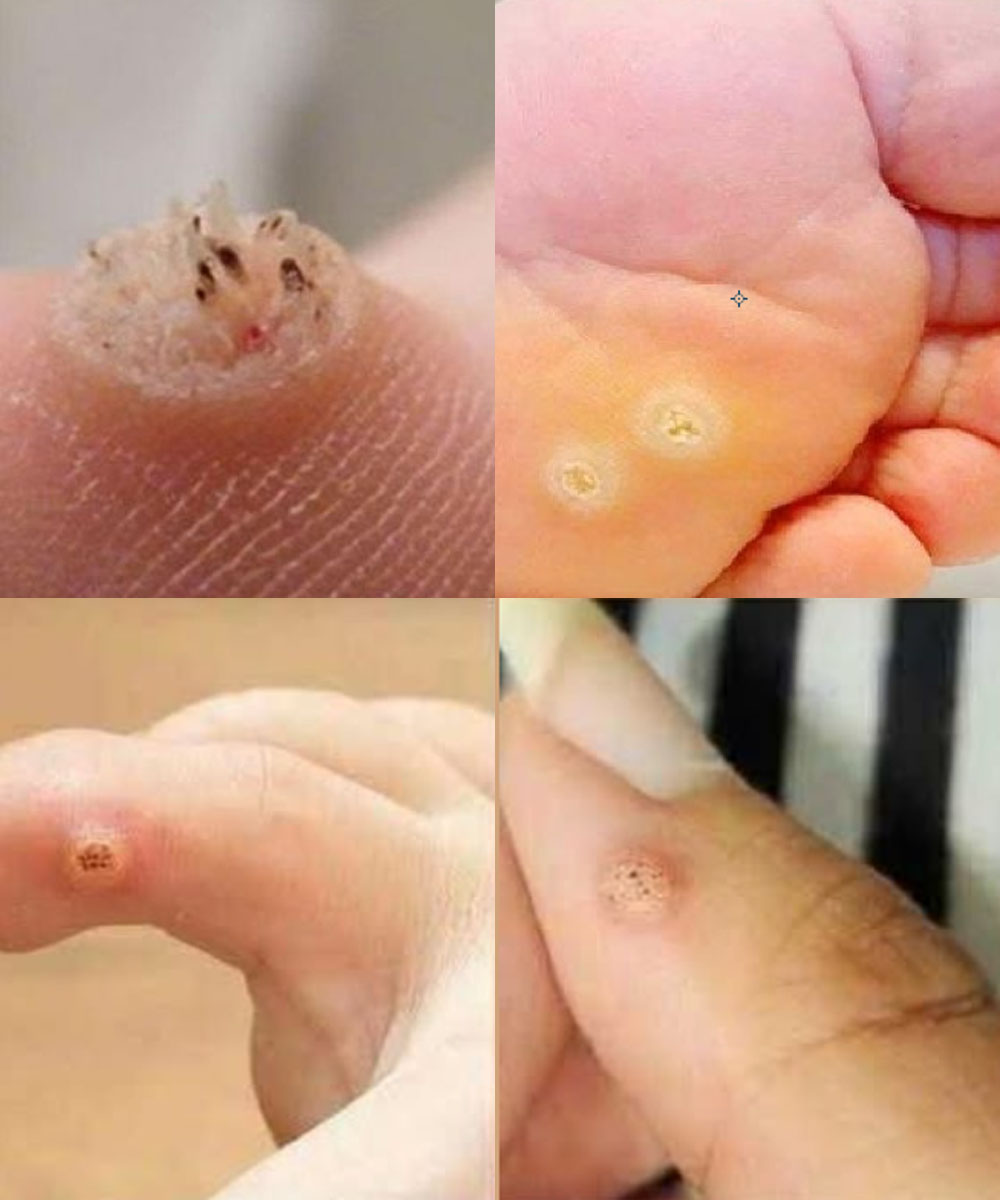
Moles are common clusters of pigmented skin cells, and most remain harmless throughout life. When a mole stays uniform in color, shape, and size, it usually isn’t a cause for concern. However, changes such as uneven borders, darkening, growth, itching, bleeding, or crusting can sometimes signal melanoma or another type of skin cancer. Paying attention to these changes early is one of the most effective ways to support timely treatment and long-term skin health.
One widely recommended tool for self-checks is the ABCDE guideline. This simple method helps identify moles that deserve medical attention. Asymmetry means one half doesn’t match the other, Border refers to irregular or blurred edges, Color includes multiple or unusual shades, Diameter is larger than about 6 millimeters, and Evolving describes any change over time. A mole that shows one or more of these features should be examined by a healthcare professional.
Not all concerning skin changes look like classic moles. Other growths can also require evaluation. Rough, scaly patches caused by sun exposure, pearly or waxy bumps, firm red nodules, or sores that don’t heal can all signal conditions that need medical review. While some growths are benign, only a qualified clinician can determine whether treatment is necessary, which is why professional assessment is so important.
Protecting your skin begins with awareness and prevention. Regular monthly self-exams, using mirrors and good lighting, help you notice new or changing spots. Daily sun protection, avoiding tanning beds, and scheduling routine dermatology visits—especially if you have a family history of skin cancer—can significantly reduce risk. Most skin changes are harmless, but staying observant and seeking guidance when something looks different can make a meaningful difference. Caring for your skin is a simple yet powerful way to protect your overall health.