
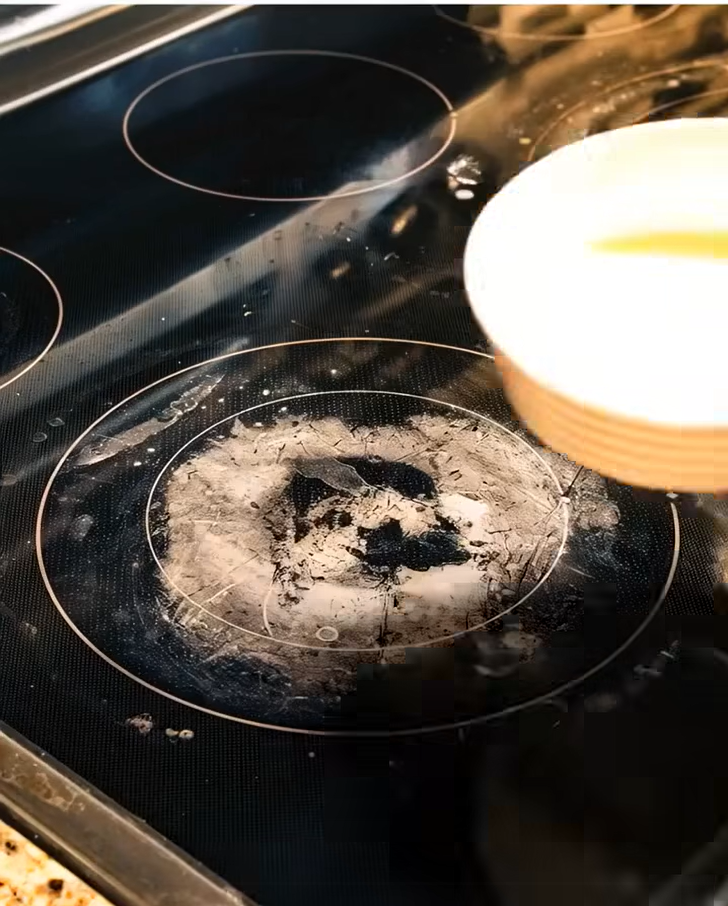
Glass stove tops — whether ceramic or induction — have become a favorite in modern kitchens for their sleek appearance, energy efficiency, and simple upkeep. Induction models use electromagnetic fields to heat cookware directly, allowing for faster, more precise temperature control than traditional gas or electric stoves. Yet, despite their beauty and performance, these smooth surfaces are also delicate. Without proper care, they can easily scratch, stain, or even crack over time.
Warning signs of damage can appear gradually. Look for visible scratches, small chips, cracks, stubborn stains, or uneven heating — all of which may indicate wear or underlying issues. If your cooktop starts making unusual noises or heating inconsistently, it’s best to inspect it right away. Begin by cleaning the surface gently with a mild dish soap or a specialized cooktop cleaner and a soft cloth. Avoid abrasive materials like steel wool, harsh chemicals, or leaving water on the surface, as these can worsen existing damage.
For stubborn spots, create a paste of baking soda and water, then rub it gently with a non-abrasive sponge. Small scratches can sometimes be reduced using a ceramic repair kit, while minor chips may be sealed with heat-resistant epoxy. However, these are short-term fixes. If cracks deepen or the stove begins to heat unevenly, always contact a professional technician. Cracks can allow moisture to reach electrical components, posing a potential safety hazard.
To keep your glass cooktop looking and working like new, prevention is key. Use flat-bottom cookware, lift pots and pans instead of sliding them, and consider protective burner covers to reduce wear. Regular cleaning and mindful use not only maintain its glossy finish but also extend its lifespan. With a little care and attention, your glass stove top can stay both functional and elegant for years to come.