
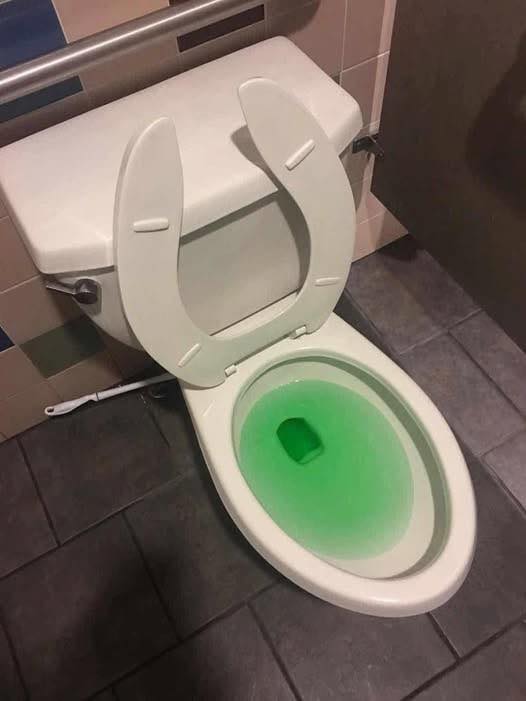
When our toilet overflowed one hectic afternoon, panic felt like the natural reaction — until a plumber arrived with nothing more than reassurance and a few everyday items. His first reminder was surprisingly grounding: not every clog requires special tools or immediate worry. Starting with patience instead of force can protect both your bathroom and your nerves.
He reached for liquid dish soap and poured a generous amount into the bowl, explaining that its slippery texture can help ease blockages down the line. Next came hot — not boiling — water, added slowly so the porcelain wouldn’t crack. After a short wait, the water level began to lower, proof that gentle methods sometimes work better than aggressive plunging.
If the soap-and-water combination isn’t enough, he suggested a second household approach. Sprinkle baking soda into the bowl, then follow with vinegar a little at a time. The natural fizzing reaction can help loosen buildup inside the drain. Let it sit for twenty to thirty minutes so the reaction has time to work before attempting another flush.
By the time he packed up, the toilet was flowing normally again — no drama, no expensive equipment, just thoughtful steps and a bit of patience. His visit offered a helpful takeaway: before calling for backup, try the simplest, safest methods first. And if a clog persists, worsens, or causes overflow, that’s when a professional should step in.