
Glass cooktops — whether induction or ceramic — are a favorite in modern kitchens for their sleek appearance and efficient performance. Induction models use electromagnetic energy to heat cookware directly, offering fast response times and precise temperature control. Ceramic glass surfaces, meanwhile, provide even heating and a smooth finish that elevates the overall look of a space. Beyond aesthetics, their flat design also makes everyday cleanup far simpler than traditional coil or gas ranges.
That said, glass stove tops require thoughtful care. Because the surface is smooth and exposed, it can be vulnerable to scratches, stubborn stains, chips, or cracks. Recognizing early signs of wear can prevent bigger problems down the road. Watch for visible damage, discoloration that won’t clean away, uneven heating, or unusual sounds during operation. Small cosmetic marks may not affect performance, but deeper cracks or chips can create safety concerns and should never be ignored.
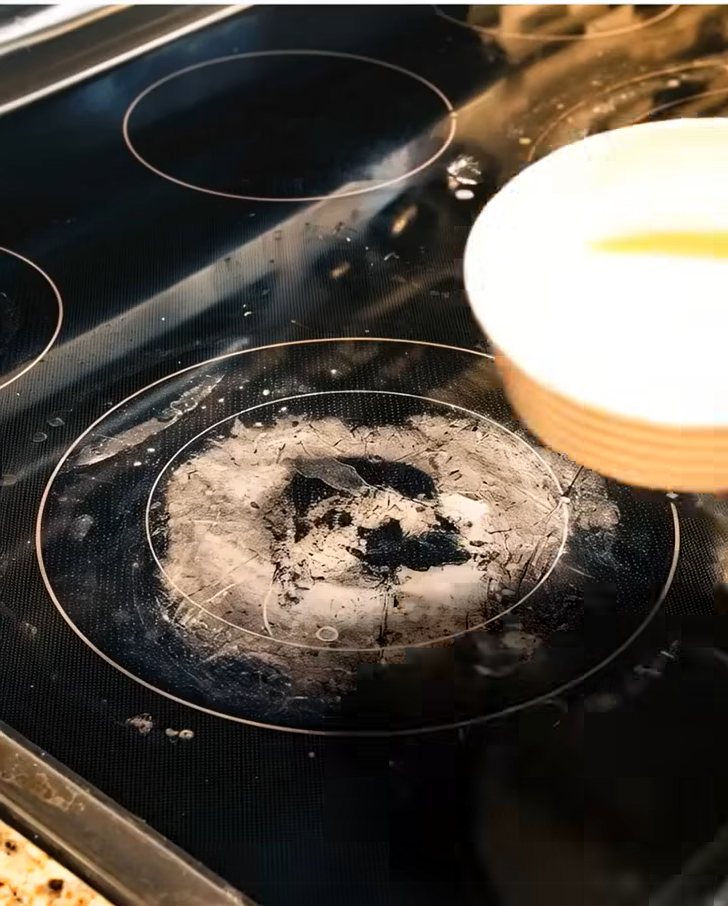
Routine maintenance is the best defense. Start by cleaning thoroughly to determine whether marks are surface residue or actual damage. Use a soft cloth or non-abrasive sponge with mild dish soap or a cooktop-specific cleaner. Avoid steel wool, harsh scrubbing pads, or strong chemicals, as they can permanently scratch the surface. Wipe up spills promptly, especially sugary substances that can harden and stain. For tougher residue, a gentle baking soda paste can help lift buildup without harming the glass.
Prevention plays an equally important role. Choose cookware with smooth, flat bottoms and lift pots instead of sliding them across the surface. Consider using protective burner covers when the stove is not in use. Minor scratches may sometimes be minimized with a ceramic glass repair kit, but significant cracks or electrical issues should be handled by a qualified professional. With careful cleaning habits and mindful daily use, your glass stove top can remain safe, efficient, and visually stunning for years to come.