
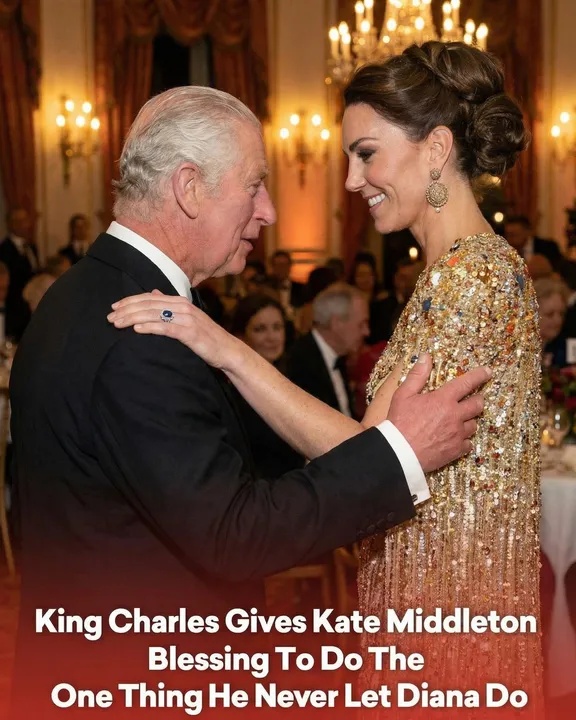
For much of modern royal history, visibility has required careful management. This was especially clear during the marriage of Princess Diana and King Charles III, when contrasting public reactions created lasting strain. Diana’s natural warmth and emotional openness resonated powerfully with people around the world, demonstrating how public affection can shape not only personal relationships but also institutional dynamics. That era left a deep imprint on how the royal family approaches public engagement today.
As monarch, King Charles III appears to bring a more reflective and pragmatic perspective to popularity within the family. Rather than seeing public admiration as a source of tension, he seems to recognize its potential strength. Catherine, Princess of Wales has emerged as one of the most respected figures in modern royal life, valued for her composed presence and ability to connect naturally with the public. Her visibility is widely viewed as reinforcing trust and stability at a time when institutions are closely examined.
This shift reflects a broader emphasis on continuity and long-term confidence. By supporting Catherine’s prominent role at major engagements, the King signals trust in the next generation. Public attention increasingly centers on Prince William and his family, who project a modern, approachable image of the monarchy. Encouraging that connection helps the institution remain relatable while maintaining its traditions.
Taken together, this approach suggests an evolution shaped by experience. Where popularity once felt divisive, it is now treated as a shared asset. By embracing cooperation across generations and allowing public goodwill to flourish, King Charles underscores a leadership style rooted in unity and adaptability. The result is a monarchy better equipped to navigate change—strengthened not by limiting visibility, but by sharing it wisely.