
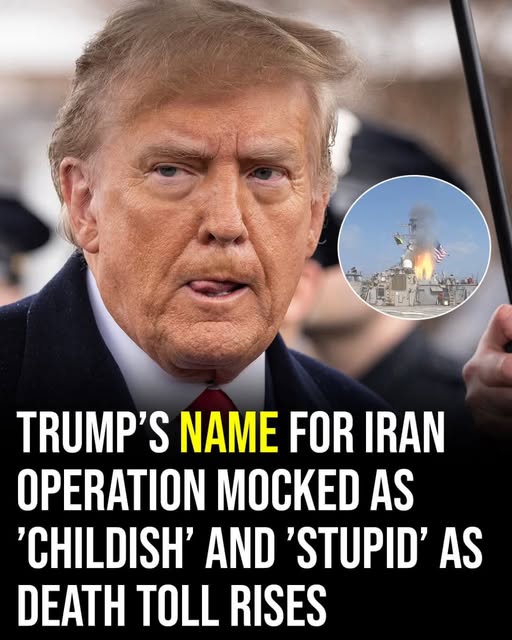
What began as a coordinated U.S.-Israeli air offensive against Iran has evolved into a far more volatile regional confrontation, reshaping both military calculations and political expectations. Early strikes targeted key security and command sites and, according to multiple reports, killed Iran’s Supreme Leader Ali Khamenei at the start of the war. But rather than producing a clean strategic reset, the campaign has deepened uncertainty around Iran’s leadership and raised fresh questions about how stability could be restored in a country central to the Middle East’s balance of power.
The conflict has also widened well beyond Iran’s borders. Retaliatory attacks and security incidents have affected U.S. personnel and infrastructure across several countries, while a reported drone strike hit a British RAF base in Cyprus, underscoring how quickly the battlefield has expanded. What was initially framed as a limited, high-precision operation now carries the hallmarks of a broader regional emergency, with military, diplomatic, and economic consequences spreading across vital energy and transport corridors.
For civilians, the cost is becoming harder to ignore. The World Health Organization said six hospitals in Iran had been evacuated as casualties climbed, with more than 1,300 dead and over 7,000 injured as of March 16, 2026. Beyond the strategic messaging from governments, the daily reality is being measured in damaged neighborhoods, overwhelmed medical systems, and families navigating fear in multiple countries touched by the war.
The deeper question now is not only how the fighting continues, but what political order follows it. Supporters of the campaign argue that force was necessary to disrupt Iran’s nuclear and proxy ambitions, while critics warn that removing leadership without a viable transition plan risks prolonged instability in a nation of roughly 90 million people. That tension may define the next phase of the crisis: whether this becomes a contained strategic turning point or a longer, more destabilizing conflict with consequences that outlast the war’s original objectives.