
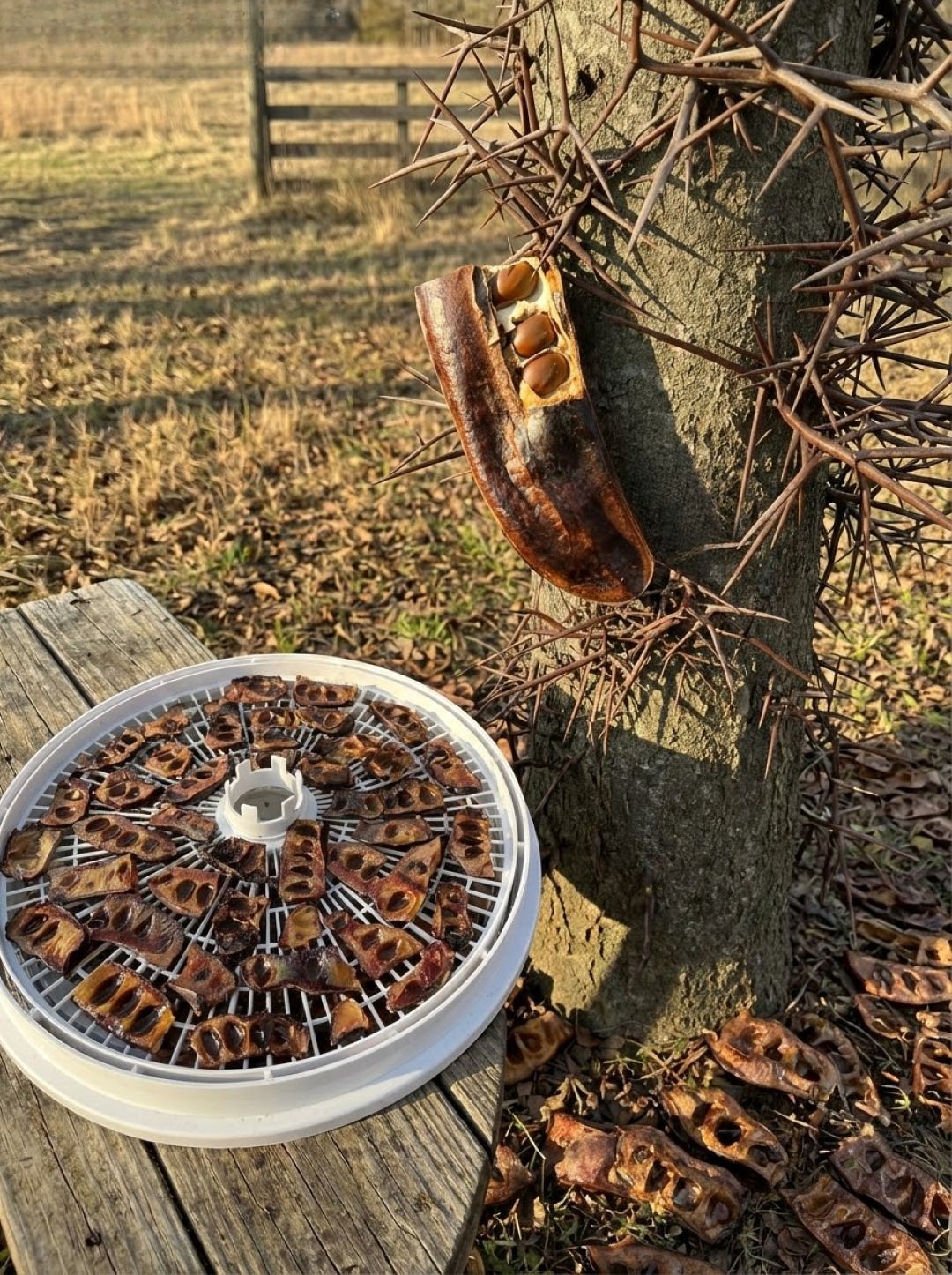
At first glance, the honey locust may seem like just another familiar shade tree lining streets or open fields. Learning how to truly notice it, however, reveals a much deeper story. Long before modern tools and packaged goods, this tree played a practical role in everyday life. People who understood the land knew the honey locust wasn’t merely decorative—it was a dependable natural resource that offered comfort, nourishment, and utility when few alternatives existed.
One way the honey locust supported daily living was through its uniquely sweet seed pods. Inside the long, twisting pods is a naturally sugary pulp that early communities enjoyed as a simple treat or transformed into syrups and lightly fermented drinks. Understanding how to use the tree meant knowing that even its seeds could be roasted or ground for basic food and drink. These practices highlight a time when survival depended on recognizing value in the natural world rather than relying on refined sugar or processed goods.
The tree also proved its worth through strength and durability. Learning how to work with honey locust wood meant gaining access to material that resisted rot and held up well outdoors. Fence posts, wagon components, and tool handles were often crafted from it because of its long-lasting nature. In addition, parts of the pods and bark contain compounds that produce a gentle lather when mixed with water, showing how people once relied on the tree for basic cleaning before manufactured soaps became common.
Today, the honey locust continues to offer benefits, especially when used thoughtfully in landscapes. Its open canopy allows sunlight to nourish grasses and plants below, while wildlife and pollinators rely on its flowers and seed pods throughout the seasons. Modern thornless varieties make it safer and more suitable for urban spaces, blending beauty with practicality. By learning how to look beyond the surface, the honey locust reminds us that even ordinary trees can carry extraordinary histories—and quiet lessons about resilience, resourcefulness, and living in balance with nature.