
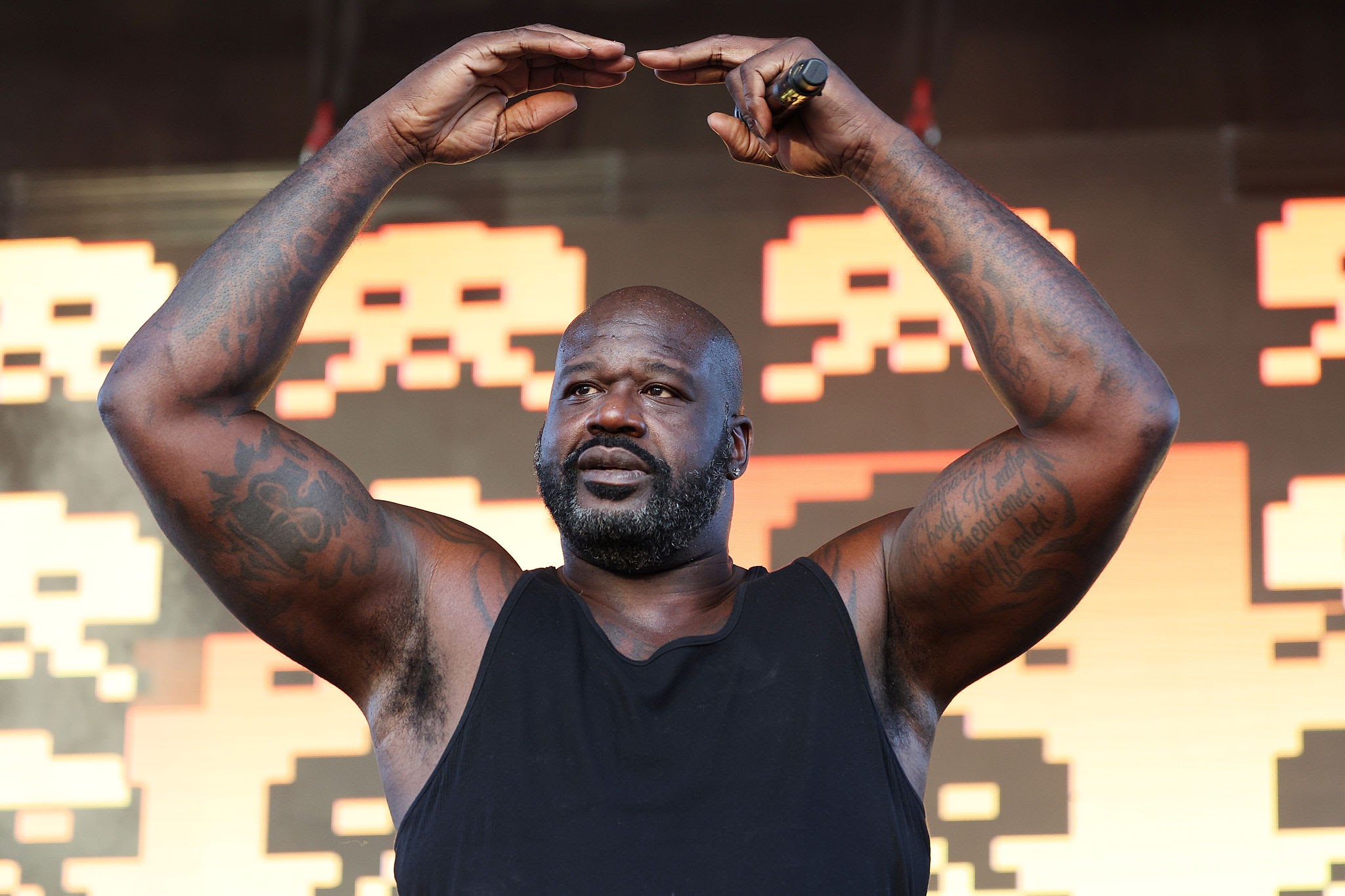
Shaquille O’Neal built his legacy on strength, size, and dominance, but life after professional basketball required a very different kind of discipline. During his playing years, his powerful frame was a competitive advantage, allowing him to overpower opponents in the paint. Yet that same physicality came at a cost, placing significant strain on his joints over time. As the structure of daily training disappeared after retirement, maintaining that level of conditioning became a new challenge—one familiar to many former athletes adjusting to a less demanding routine.
To regain control of his health, O’Neal focused on building sustainable habits rather than chasing quick results. He reshaped his diet by reducing sugar and processed foods while prioritizing balanced nutrition. At the same time, he committed to consistent exercise—not to replicate his NBA workload, but to support long-term wellness. This approach highlights a key lesson: lasting health improvements come from steady, manageable changes rather than extreme measures.
Another important part of his transformation has been awareness of cardiovascular health. Larger athletes, especially those who carried significant weight during their careers, often face elevated risks related to blood pressure and heart function. By speaking openly about these concerns, O’Neal has helped normalize conversations around preventive care and lifestyle adjustments, encouraging others to think beyond short-term fitness goals and focus on overall well-being.
Equally significant is the mental shift that followed his retirement. Without the structure and identity tied to professional sports, staying motivated requires new purpose. O’Neal has emphasized goal-setting, staying active in business and media, and maintaining a positive mindset. His journey serves as a practical guide: prioritize consistency, care for both physical and mental health, and view wellness as a lifelong commitment rather than a temporary phase.