
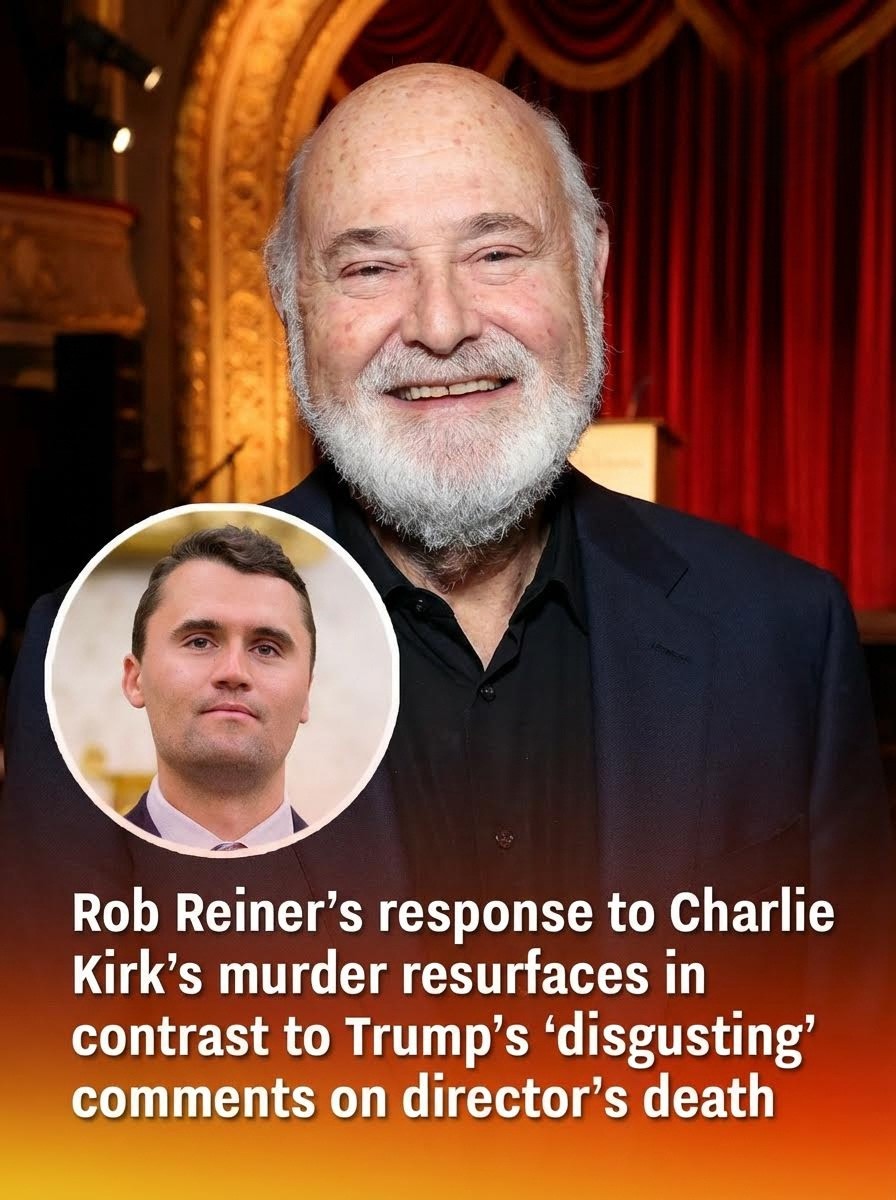
Reports surrounding the deaths of filmmaker Rob Reiner and his wife, Michele Singer Reiner, sparked a wave of reflection across entertainment, politics, and media. The couple had long been associated with creative collaboration, activism, and outspoken public engagement, making the news especially jarring for many observers. As authorities addressed the circumstances and formal processes unfolded, attention quickly shifted to how public figures responded—highlighting how tone and timing can shape collective reactions during periods of mourning.
Some responses stood out for the controversy they generated rather than for comfort offered. Former U.S. president Donald Trump posted remarks on social media that critics described as lacking empathy given the gravity of the moment. The comments drew pushback from voices across ideological lines, many of whom emphasized that moments of loss call for restraint. Trump later defended his position publicly, framing it within ongoing political disagreements, which extended the debate about what responsibility influential figures carry when emotions are raw.
In contrast, media coverage also resurfaced an earlier interview featuring Reiner on Piers Morgan Uncensored, in which he discussed the killing of political activist Charlie Kirk earlier in the year. During that appearance, Reiner spoke with measured calm, clearly rejecting violence as a response to political conflict. He underscored that disagreement never justifies harm and called for empathy even amid deep divisions—remarks that many viewers now see as reflective of his broader public values.
The renewed attention to those comments has fueled wider conversations about civility, leadership, and the long memory of public behavior. Observers note that reactions during moments of grief often resonate far beyond the immediate news cycle, shaping how individuals are remembered. As tributes continue, many people are choosing to focus less on controversy and more on the Reiners’ work, advocacy, and expressed principles—reminding audiences that empathy and restraint can leave a lasting impression, even in the most polarized times.