
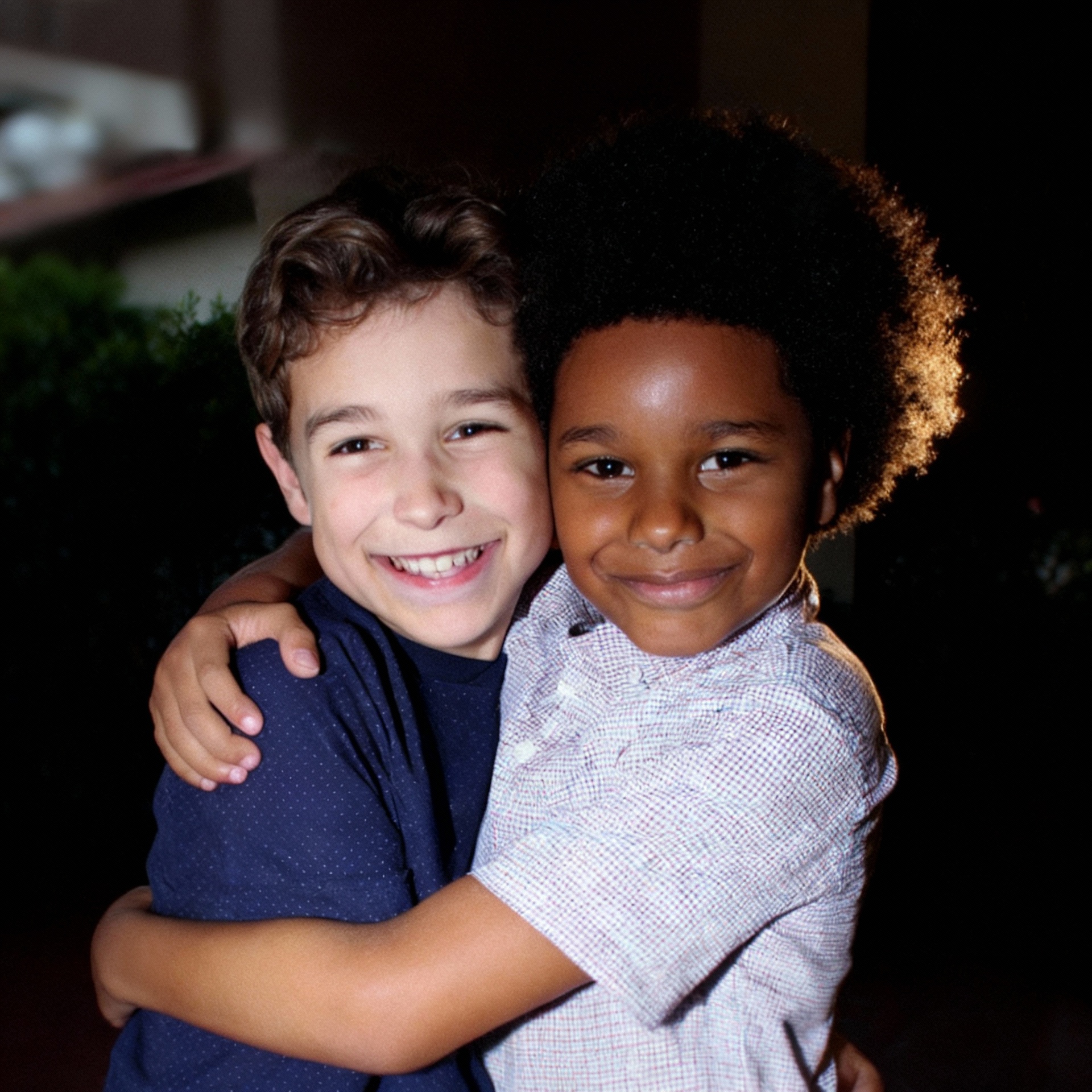
Grief often arrives quietly, reshaping families in ways they never expected. When a child loses a close friend, adults may feel unsure of how to guide them through something so heavy. The first step is simply creating space for emotions to exist—without pressure, timelines, or forced conversations. Helping a child honor their feelings, whether through silence, memories, or treasured objects, can be a gentle foundation for healing.
The next step is encouraging purpose, not distraction. When Caleb decided to earn money to honor his late friend, his family supported him without taking over. Allowing children to take meaningful action—like creating a memorial, writing a letter, or contributing to a cause—can give them a sense of direction when life feels overwhelming. These personal efforts become reminders that love doesn’t disappear just because someone is gone.
When setbacks happen, as they often do, leaning on community can make a world of difference. Sharing a child’s story with neighbors, friends, or support systems may open unexpected doors to compassion. Communities can help rebuild what was lost—sometimes through donations, sometimes through presence, and sometimes simply by showing a child that their heartbreak matters. Collective kindness has the power to soften even the sharpest grief.
Finally, honoring someone’s memory doesn’t end with a ceremony or gift. It continues through everyday choices—supporting others, giving back, or carrying forward what that person loved. Encouraging children to view remembrance as an ongoing act helps transform pain into purpose. In doing so, families and communities alike discover that healing is not about forgetting, but about building something hopeful from what remains.