
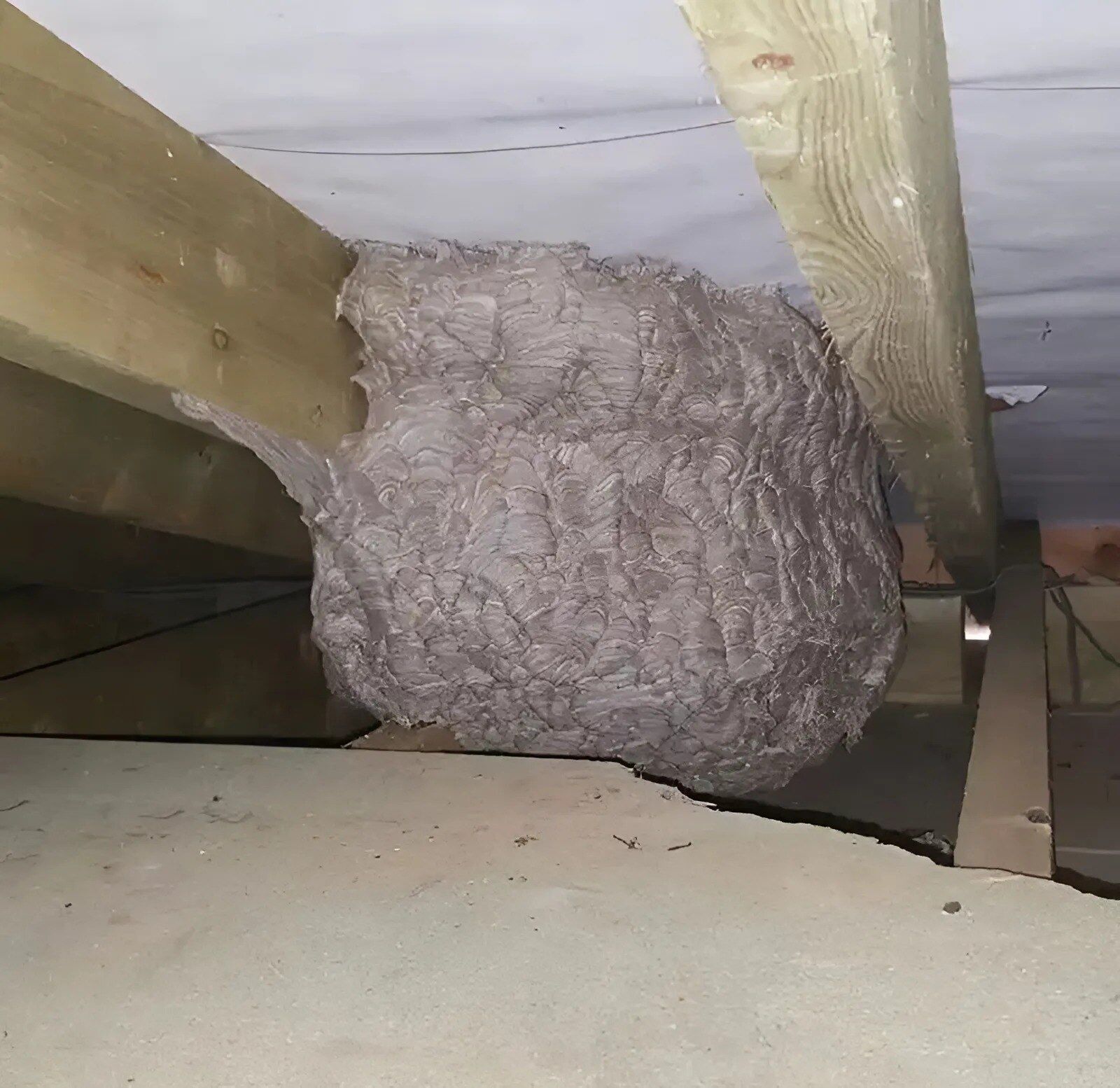
In the rolling hills of Finistère, Brittany, Denis Jaffré had built a quiet, intentional life after years spent at sea. Transitioning from sailor to beekeeper, he found purpose in tending his hives and working closely with nature. That balance was abruptly shaken in 2017, when invasive Asian hornets began attacking his bees. Within months, nearly half of his colonies were destroyed—an emotional and financial blow, as each hive reflected years of careful stewardship.
Rather than walk away from beekeeping, Jaffré chose to experiment. Working from his home, he began testing trap designs using simple, accessible materials. Many early versions failed, either harming beneficial insects or proving ineffective. Through observation and persistence, he eventually developed a refined solution: a fabric-based trap using natural bait and narrow entry points that allowed hornets in while keeping bees and other pollinators safe. The approach balanced protection with environmental responsibility.
The results were quickly visible. His remaining hives stabilized, and word of the design spread among fellow beekeepers. In 2019, the trap earned recognition at the Lépine Competition, bringing wider attention to his work. Encouraged by growing interest, Jaffré founded Jabeprode in 2021. What began as a personal fix evolved into a small workshop in Bodilis, where the traps are now handmade and distributed to beekeepers across Europe.
Today, Jaffré remains focused on practical impact rather than recognition. His work supports non-toxic, sustainable ways to manage invasive species while protecting biodiversity. By preserving bee colonies and encouraging ecological balance, his journey shows how patience, close observation, and respect for nature can turn a local crisis into a solution with far-reaching benefits—for both people and the environment.