
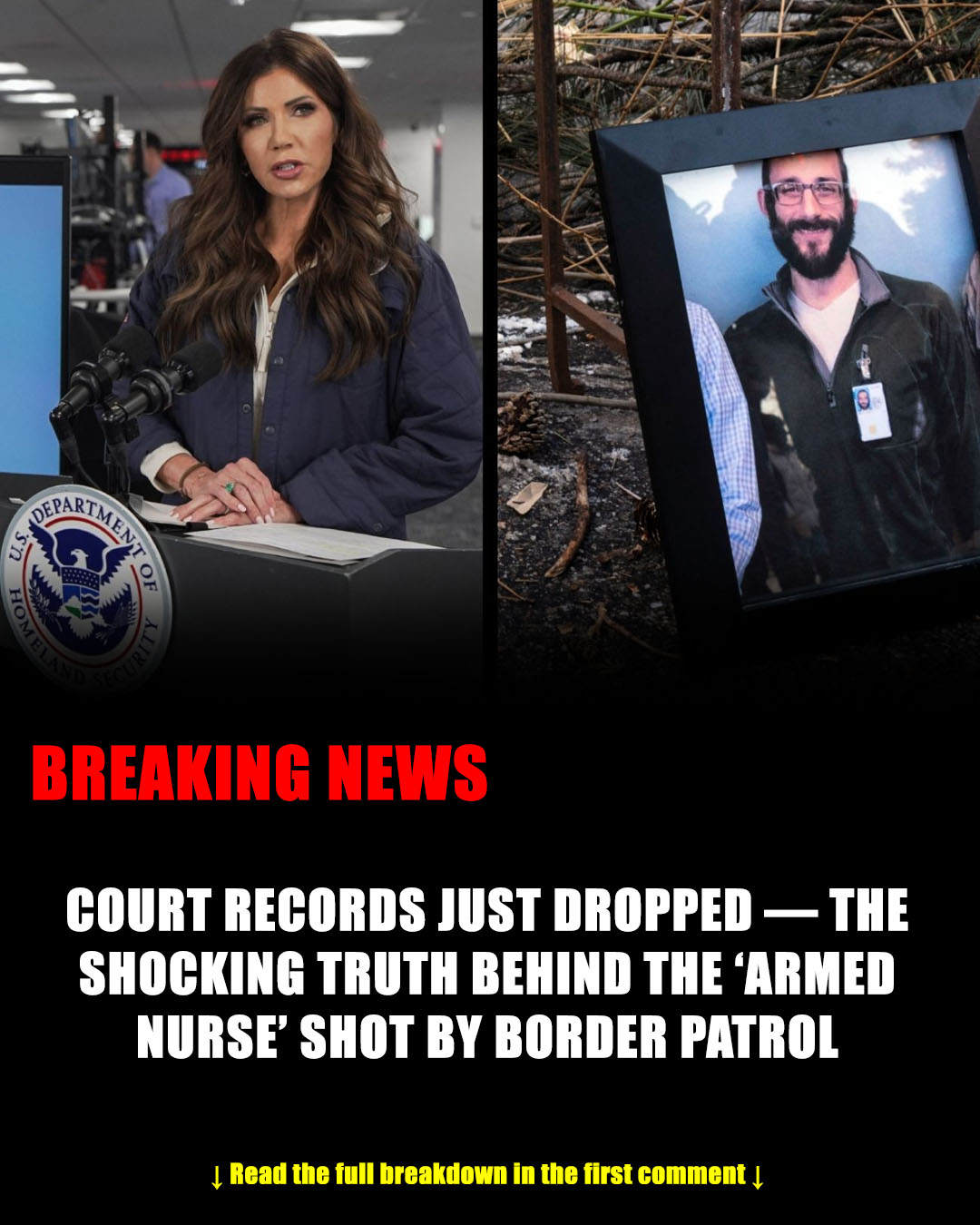
In late January 2026, Minneapolis became the focus of national attention after federal immigration agents fatally shot 37-year-old ICU nurse Alex Jeffrey Pretti, drawing intense scrutiny and public reaction. Pretti, a U.S. citizen who worked at the Minneapolis Veterans Affairs hospital, was killed during a federal immigration enforcement operation on **January 24 **that also sparked protests and political debate across the city and the country.
Understanding why this incident has resonated so widely requires separating initial claims from what independent reporting has shown. Federal officials originally stated that Pretti approached agents with a handgun and posed a threat, prompting officers to fire in self-defense. However, verified bystander videos and eyewitness accounts indicate Pretti was holding only a phone and appeared to be helping others before he was tackled and shot, raising serious questions about the official narrative and the use of force in the encounter.
The context surrounding the shooting has magnified public concern. Pretti’s death came amid an intensified federal immigration enforcement initiative in Minnesota known as Operation Metro Surge, which had already seen another fatal shooting earlier in January and thousands of arrests. Local and state leaders have called for independent investigations, transparency in evidence handling, and careful preservation of material such as body-camera footage, while legal actions and political responses continue to evolve as part of broader discussions about community trust and law enforcement practices.
Public reaction has been strong, with protests, memorials, and calls for accountability not just in Minneapolis but in cities around the United States. Demonstrators and advocates are pushing for clearer answers and changes in federal enforcement policy, while government officials from both parties weigh in on the incident’s implications. As investigations move forward, many in the community and beyond remain focused on understanding exactly what occurred and how similar tragedies might be prevented in the future.