
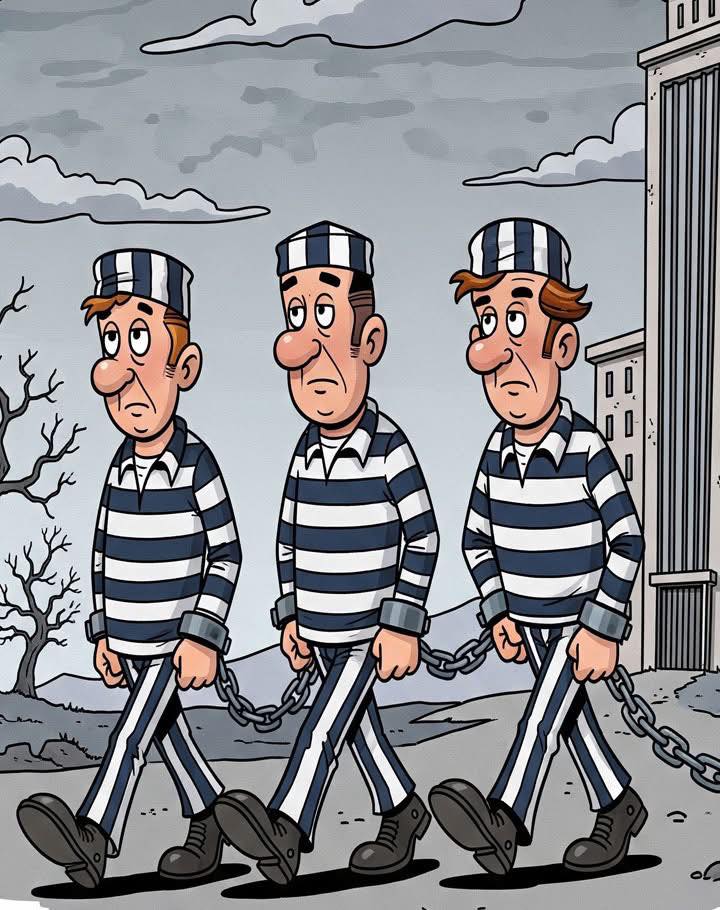
When people are stripped of freedom, routines replace choice, and time stretches in uncomfortable ways. Even small allowances—like being permitted one personal item—can take on outsized meaning. On a rattling prison bus carrying strangers toward the same locked destination, those items became conversation starters, revealing how differently people cope with regret. One chose creativity, another chose games, and one leaned into blind optimism. In a place where control is scarce, mindset becomes a form of agency.
Learning how to survive emotionally in confinement often starts with finding levity. Humor, especially the kind that borders on absurd, creates brief escapes from sameness. Jokes aren’t just jokes—they’re social glue. Laughter cuts through tension, builds connection, and offers relief where little else does. Even when circumstances are heavy, humor allows people to momentarily reclaim a sense of humanity.
Over time, humor in closed environments evolves. Stories repeat, jokes wear thin, and familiarity breeds shortcuts. Instead of retelling the same punchlines, people condense them into references—numbers, phrases, shared cues. Understanding these codes becomes part of belonging. It’s not the joke itself that matters anymore, but the shared history behind it. Participation signals acceptance; recognition brings comfort.
The deeper lesson is about adaptation. In restrictive settings, people find ways to create meaning, whether through art, games, optimism, or laughter. Humor doesn’t erase hardship, but it softens it. It reminds people that even when circumstances are fixed, perspective isn’t. Sometimes, surviving isn’t about changing where you are—it’s about changing how you endure it, one laugh at a time.