
Human expression shows up in more ways than we often realize. Some of it appears naturally on the face, shaped slowly by emotion and time. Other forms are chosen deliberately, such as body art that reflects identity or personal values. Still others are felt inwardly, in quiet moments of connection that linger beyond words. Together, these expressions reveal how closely our appearance, choices, and inner lives are woven together.
One way this story becomes visible is through facial features like smile lines and dimples. Smile lines form as the skin responds to repeated expressions, genetics, and lifestyle factors, gradually recording years of laughter, conversation, and openness. Rather than simply signaling age, they often add warmth and familiarity to a face. Dimples, created by a natural variation in facial muscle structure, appear most clearly during a smile and are commonly inherited. Across cultures, they’ve long been associated with charm and positivity, reminding us that individuality often comes from traits once labeled as imperfections.
Expression also takes shape through intentional choices, such as body piercings. Tongue piercing, for example, carries a long history rooted in ritual, symbolism, and communication in ancient cultures. In modern life, people choose it for deeply personal reasons—marking growth, honoring heritage, or asserting independence. When approached thoughtfully and cared for properly, these choices become lasting symbols of self-definition rather than passing trends.
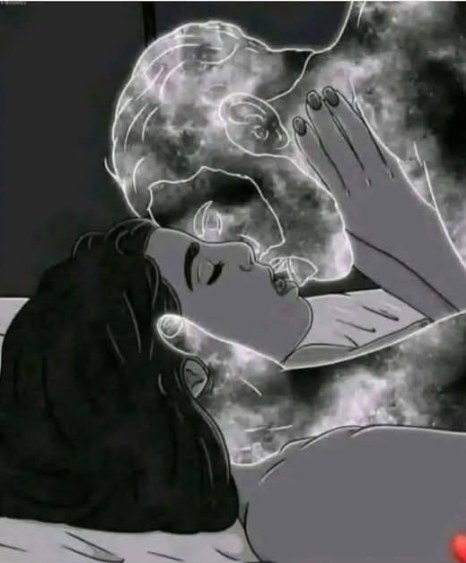
Some expressions are felt rather than seen. Many people describe moments of comfort or presence connected to loved ones who are no longer physically present. These experiences often arise during reflection or emotional transition and are usually perceived as reassuring. Whether understood spiritually or emotionally, they highlight the enduring nature of human connection. Taken together—facial features, personal adornment, and inner awareness—these expressions show that beauty and meaning live in authenticity. Our stories are written not in perfection, but in experience, intention, and connection.