
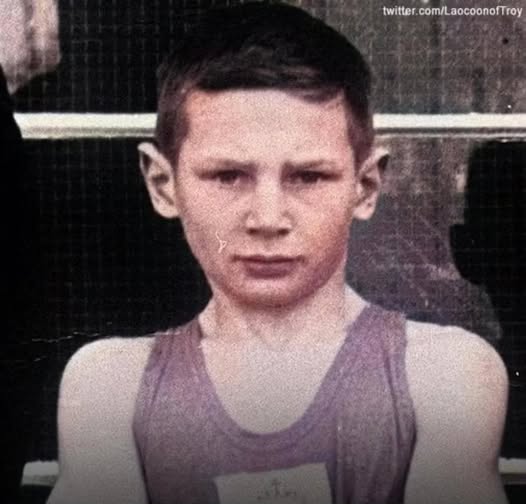
Long before international fame, Liam Neeson grew up in a small Irish town marked by social tension and modest means. His childhood was defined less by comfort and more by resilience, routine, and responsibility. Boxing became an early anchor, teaching him discipline, focus, and emotional control at a young age. At the same time, an interest in acting quietly took root. Balancing physically demanding jobs with long journeys to rehearsals, he learned how perseverance—not privilege—often determines who gets to keep going when things are difficult.
Rather than rising quickly, Neeson’s career unfolded patiently. He gravitated toward roles that required emotional honesty and intensity, slowly earning trust within the industry. A defining moment arrived with his performance in Schindler’s List, which introduced him to global audiences and reframed him as a serious dramatic actor. Even as opportunities expanded across genres and decades, his sense of identity stayed grounded. Family values, shaped by his upbringing and reinforced by close relationships, remained central to how he measured success.
That foundation became even more important through his marriage to Natasha Richardson, a partnership built on mutual respect and shared purpose. Together, they created a stable family life while navigating public careers, raising two sons in a world far removed from Neeson’s own childhood. In 2009, Richardson’s sudden passing after an accident shattered that stability. Grief reshaped his life overnight, forcing him to confront loss while stepping fully into the role of a single parent. Continuing to work during that period offered structure—a way to keep moving forward while processing profound change.
In later years, acting has remained a source of continuity rather than escape. Watching his sons grow into adulthood has brought perspective, pride, and reflection shaped by love, loss, and endurance. Neeson often speaks less about regret and more about gratitude, emphasizing that growth comes from facing hardship directly. His story illustrates how early struggle can instill values that endure for a lifetime—showing that strength is often quiet, built slowly, and sustained by purpose long after circumstances change.