
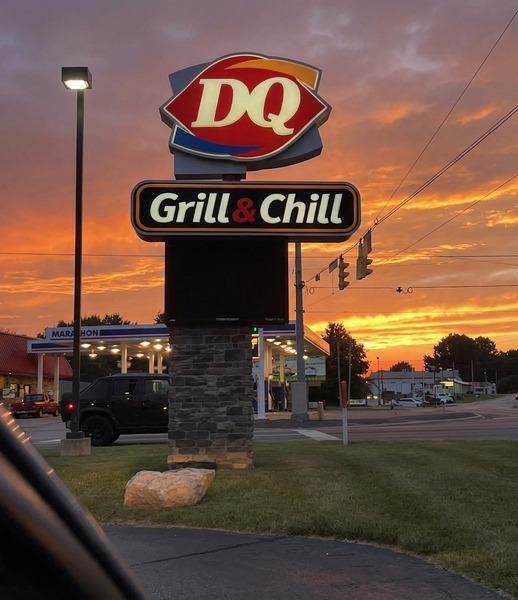
What started as a handwritten sign outside a small Dairy Queen in Kewaskum quickly grew into a story far beyond its original intent. A passerby noticed the message, shared it online, and within days it had reached a national audience. The sign combined holiday wishes with a gesture of appreciation for veterans, but one phrase—later described by the owner as “politically incorrect”—became the focal point. What was meant as a local message of gratitude suddenly turned into a broader discussion about language, tradition, and public expression.
Understanding the reaction requires looking at how people interpreted the message differently. Some readers saw the sign as warm, familiar, and rooted in long-standing customs tied to patriotism and gratitude for service. Others felt the wording reflected traditions that don’t resonate with everyone, especially in diverse public spaces. Once the image circulated online, opinions multiplied quickly, illustrating how context can change when a local message is viewed through a national lens.
The shop’s owner, Kevin Scheunemann, addressed the attention by explaining his perspective. He shared that the sign was intended to honor veterans and reflect his personal values, not to provoke debate or exclude anyone. According to him, the same sign had been displayed for years without controversy and only became an issue after gaining widespread visibility. He emphasized that his business welcomes all customers and that the message was an expression, not a statement meant to judge others.
As the conversation continued, it expanded into a larger discussion about how personal beliefs intersect with customer-facing businesses. Supporters applauded the owner for standing by his message, while critics encouraged more inclusive wording in public settings. Dairy Queen’s corporate office later clarified that franchise locations operate independently, and signage decisions are made by individual owners. The situation became a reminder of how quickly everyday gestures can take on new meaning—and how small-town moments can unexpectedly become part of a national cultural dialogue.