
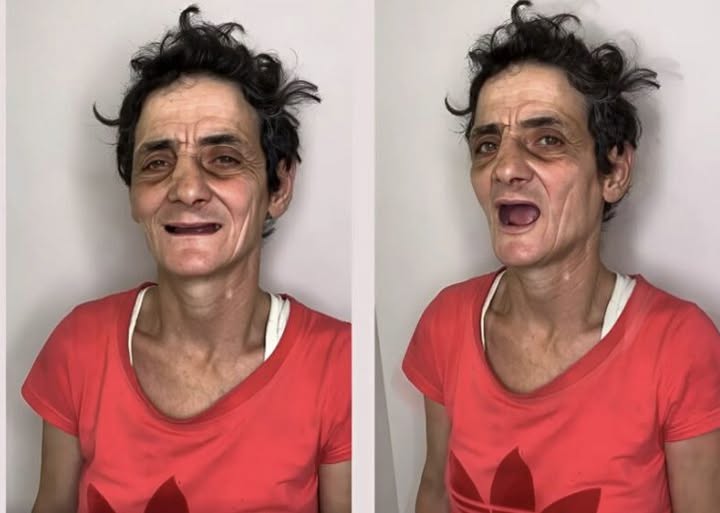
For years, Rita lived quietly on purpose. Not because she lacked depth or opinions, but because she had learned that being noticeable felt unsafe. She kept her voice soft, her needs minimal, and her presence easy to overlook. Apologies came automatically, even when she hadn’t done anything wrong. To others, she seemed calm and agreeable. Inside, though, she carried the constant weight of trying not to inconvenience anyone, believing that taking up space might invite judgment or conflict.
The shift didn’t arrive through a dramatic decision or a life-altering speech. It began with a small, almost accidental choice—walking into a neighborhood salon simply because it was there. The space felt different: unhurried, gentle, free of pressure. Then came a question she wasn’t used to hearing: What would make you feel most like yourself? For a moment, she didn’t know how to answer. She was used to being told what she needed, not being asked. Yet that simple invitation planted something new—the idea that her preferences mattered.
As the appointment unfolded, Rita noticed how unfamiliar it felt to receive care without conditions. The calm pace, the respectful attention, the absence of expectation—it all softened something she didn’t realize she’d been guarding. She saw how often she’d treated kindness as something to brace for, rather than accept. Looking in the mirror afterward, the change wasn’t just external. She saw someone more grounded, more present, someone who looked like she had permission to exist fully.
Walking back outside, Rita didn’t feel transformed into someone new. She felt returned to herself. Her posture shifted, her eyes lifted, and her steps felt steadier. She understood then that confidence doesn’t always come from bold reinvention. Sometimes it begins quietly—with moments of respect that remind us we’re allowed to choose, to be seen, and to receive care without guilt. Her story is a gentle reminder that behind many polite smiles are invisible struggles, and that even small acts of patience and kindness can reopen the door to self-worth.