
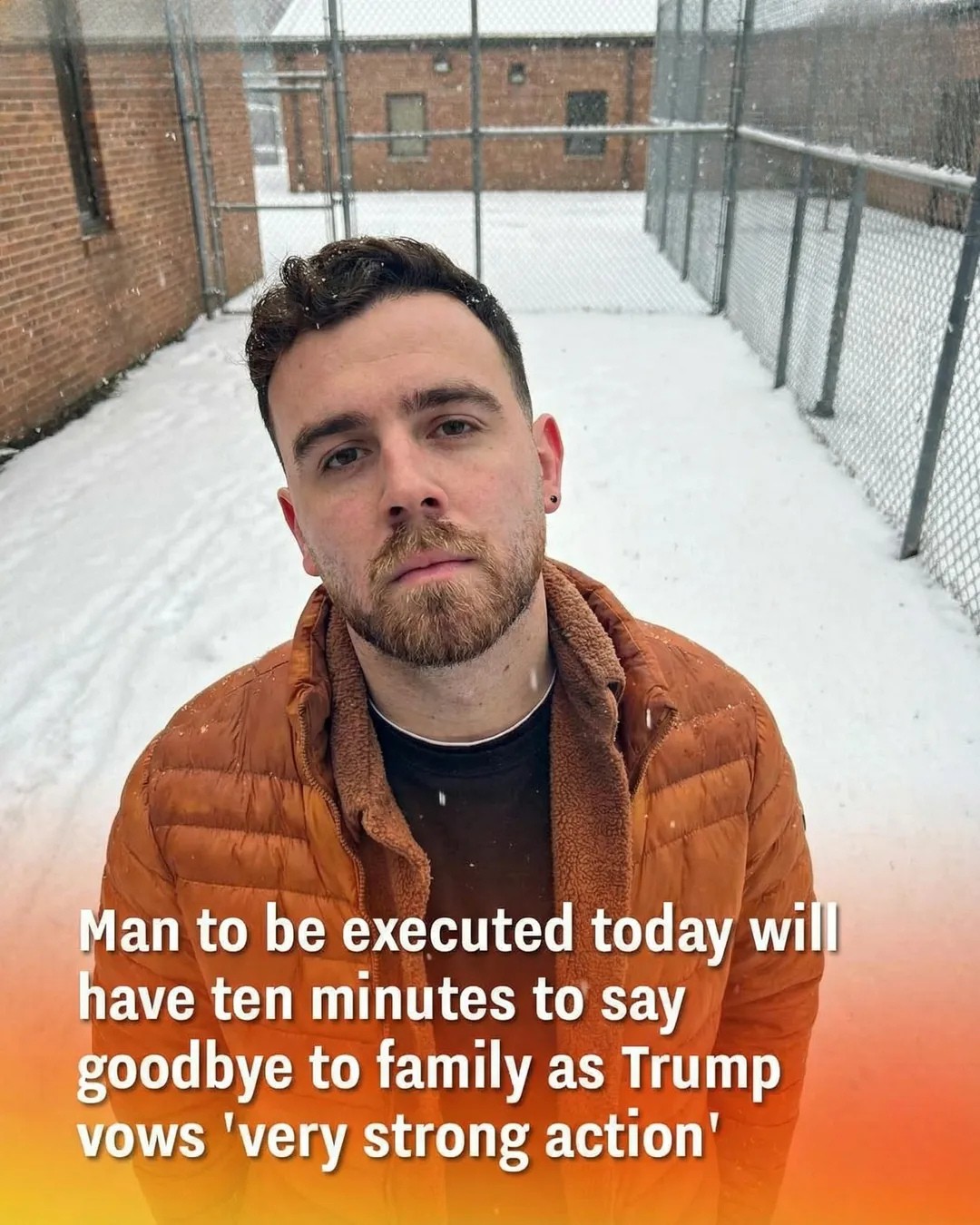
For several tense days, the family of Erfan Soltani, a 26-year-old from Karaj, braced themselves for devastating news. Reports circulating online suggested he was facing possible execution following his arrest in connection with recent protest activity in Iran. As concern spread, human rights advocates and supporters amplified the case internationally. Recent updates from Iranian state media and statements from Soltani’s relatives now indicate that the immediate threat of a death sentence has been lifted—bringing cautious relief after days of fear.
Understanding why the situation shifted requires looking at the legal changes. Iranian outlets have reported that authorities revised the charges tied to Soltani’s arrest. If those revisions are upheld in court, the accusations may no longer fall under crimes punishable by death. His family has confirmed that the execution has been postponed, though they continue to describe limited access to information and uncertainty about his well-being. While the most extreme outcome may be off the table for now, they say the emotional toll remains heavy.
The case drew further attention after public remarks from Donald Trump, who warned of serious consequences if executions linked to protests moved forward. Trump said he had received information suggesting planned executions had been halted and emphasized continued international monitoring. Iranian media later described Soltani as facing allegations such as acting against national security and spreading anti-government messages—charges that more commonly lead to prison sentences rather than capital punishment, though outcomes can still vary.
Zooming out, Soltani’s situation reflects a much broader climate of tension. Protests in Iran have continued amid economic strain and political pressure, with human rights groups reporting widespread arrests and escalating legal actions. International observers remain concerned, especially as regional and global tensions add another layer of complexity. For many watching closely, this case has become a reminder of both the personal cost of unrest and the role international attention can play in moments where outcomes still hang in the balance.