
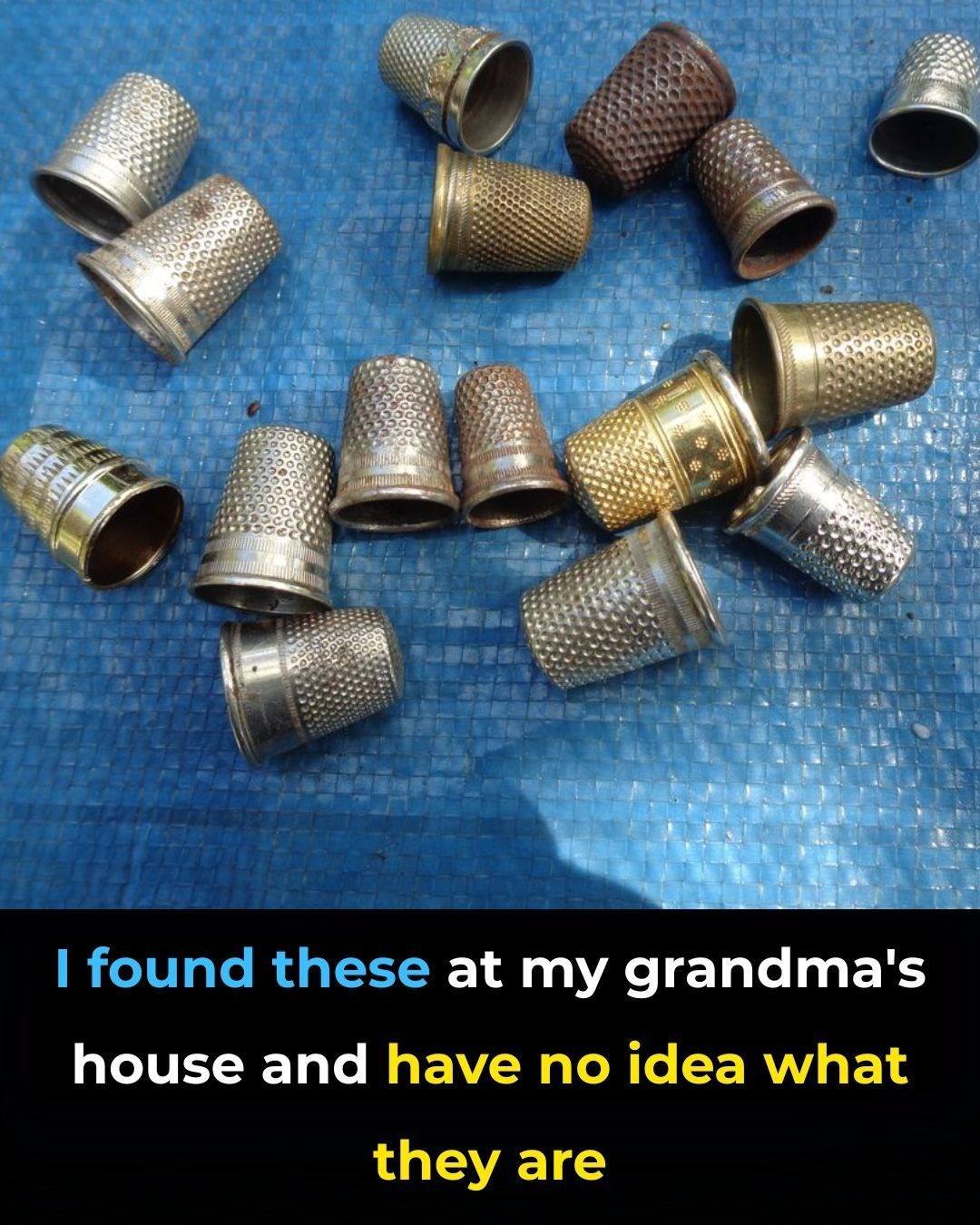
At first glance, a thimble looks like a modest accessory, but its role in hand sewing is surprisingly important. Designed to protect fingers from repeated needle pressure, thimbles allow sewers to push through thick or tightly woven fabrics with ease and precision. By absorbing force and preventing painful pricks, this small tool makes stitching smoother, faster, and far more comfortable—especially during long projects.
Understanding how thimbles work helps explain why they’ve remained relevant for centuries. Early versions were made from leather, bone, or metal and were shaped to fit snugly over the thumb or middle finger. Over time, their form evolved, but the function stayed the same: improving control while reducing strain. Even the word “thimble” traces back to “thumb-bell,” a nod to its original bell-like shape and placement.
Choosing the right type depends on how you sew. Closed-top thimbles offer full fingertip protection and are ideal for general hand sewing. Open-top styles provide flexibility and are popular with tailors who want fingertip sensitivity or have longer nails. Leather thimbles are soft and forgiving, making them beginner-friendly, while adjustable ring thimbles—often favored by quilters—allow side-pushing motions and a custom fit. Each variation supports a different technique, proving that one size never fits all.
Materials also shape performance. Metal thimbles are durable and long-lasting, plastic ones are lightweight and affordable, and leather options prioritize comfort during extended use. Despite their small size, thimbles carry a rich history of craftsmanship and practicality. Whether you sew occasionally or daily, using a thimble isn’t just about protection—it’s about honoring a tool that has quietly supported handmade work for thousands of years.