
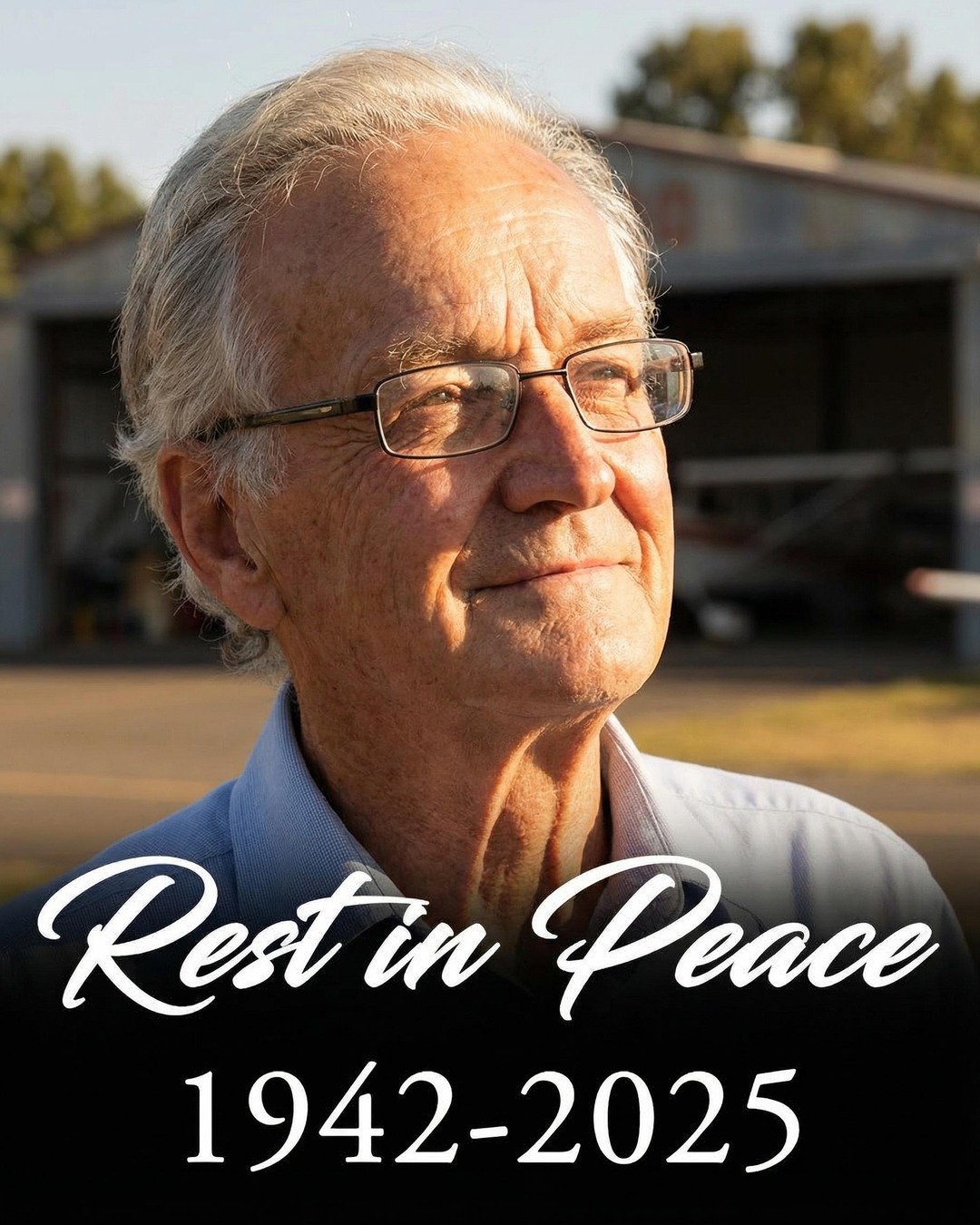
The global conservation community is mourning the loss of a remarkable visionary — a man whose quiet determination reshaped humanity’s understanding of one of Earth’s most intelligent and emotionally complex animals. For more than six decades, he dedicated his life to studying African elephants, revealing their rich social structures, deep emotional lives, and extraordinary communication abilities. His research didn’t just expand scientific knowledge — it transformed the way the world views elephants, shifting them from symbols of the wild into sentient beings deserving compassion and protection. As news of his passing spreads, heartfelt tributes from environmental leaders, conservationists, and supporters around the world reflect the profound impact of his work.
His groundbreaking journey began in East Africa, where a simple yet revolutionary idea changed wildlife research forever. By identifying elephants as individuals — noticing subtle differences in their tusks, ears, personalities, and behavior — he was able to follow families over generations and uncover their personal stories. This method revealed the devastating emotional toll of poaching and brought vital evidence into global conversations about the ivory trade. His findings played a pivotal role in the historic 1989 international ban on ivory sales, a milestone that reshaped the future of elephant conservation.
Driven by an unwavering commitment to innovation, he later founded one of the world’s most influential elephant protection organizations. Long before satellite tracking became widespread, he pioneered the use of GPS collars to map elephant migration routes across vast landscapes. His research exposed how development and habitat loss disrupted ancient movement patterns, providing essential data that guided conservation strategies and supported communities living alongside elephants. His scientific expertise and moral clarity made him a trusted advocate in international policy discussions, strengthening global efforts to reduce ivory demand and safeguard vulnerable species.
Yet despite his global recognition, he often described his mission in simple terms: helping people and wildlife find ways to live together. He believed deeply in empathy, education, and responsible stewardship of the natural world. He is survived by his wife, Oria, their daughters Saba and Dudu, and six grandchildren — but his legacy stretches far beyond family. It lives on in every elephant protected, every researcher he inspired, and every conservation victory sparked by his work. The extraordinary life of Iain Douglas-Hamilton is a powerful reminder that one person’s dedication can create lasting change for generations to come.