
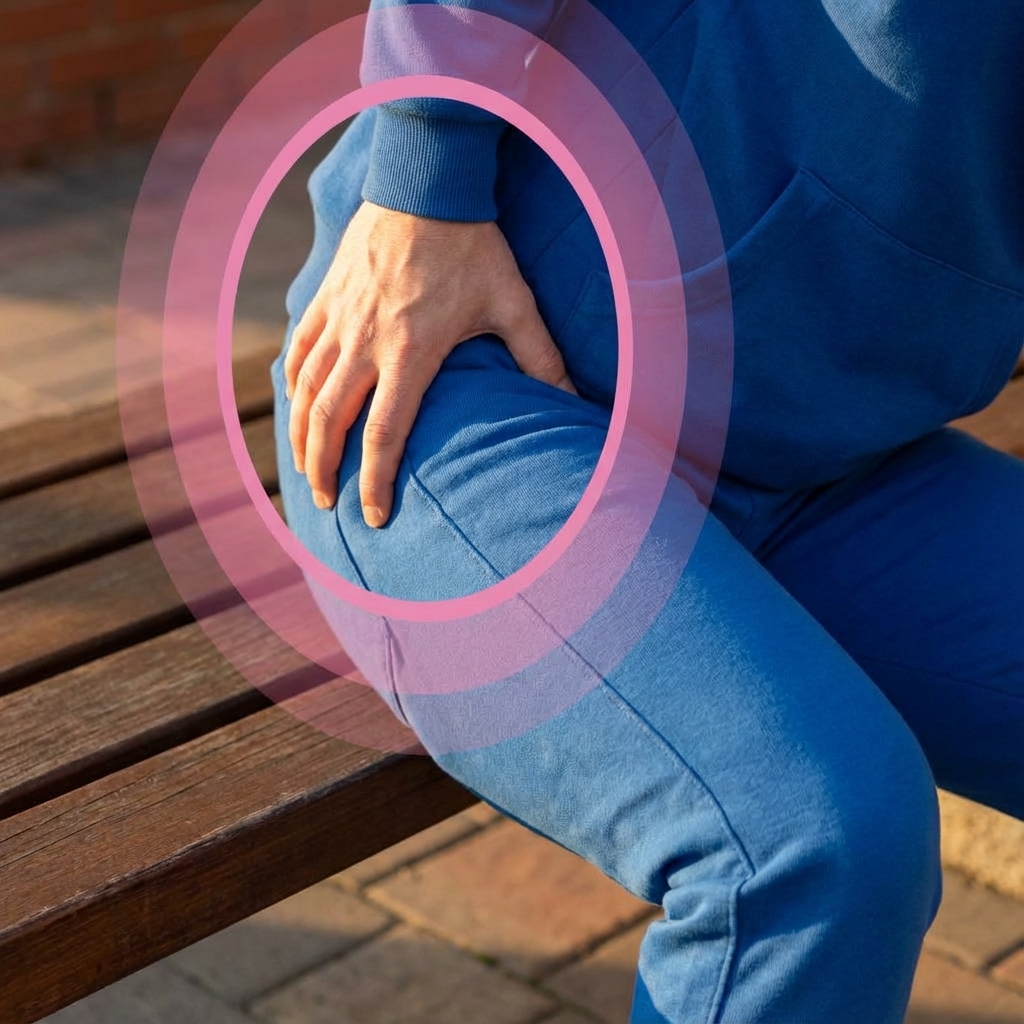
A subtle click, pop, or grinding feeling in the hip may seem harmless at first — especially if it isn’t painful. Many people assume these sensations are temporary or simply part of getting older. However, the hip joint supports nearly every major movement, from walking and climbing stairs to sitting and turning. When unusual sounds or stiffness appear regularly, they can signal that the joint isn’t moving as smoothly as it should, potentially placing added strain on surrounding muscles and connective tissue.
The first step is paying attention to patterns. If the clicking is frequent, accompanied by tightness, reduced range of motion, or ongoing discomfort, it’s wise to consult a healthcare professional. Hip concerns can affect people of all ages and may develop from past injuries, repetitive motions, prolonged sitting, or activities that strain the joint. A provider may begin with a physical exam and, if necessary, recommend imaging to better understand the source of the symptoms.
Next, consider daily habits that influence joint health. Long hours of sitting can tighten hip flexors, while poor posture may shift weight unevenly across the joint. Maintaining a healthy body weight helps reduce pressure on the hips, and wearing supportive footwear can improve alignment during movement. Small changes — such as standing periodically during the day, adjusting your workstation, or being mindful when lifting or twisting — can gradually ease unnecessary stress on the joint.
Finally, stay consistently active in ways that support mobility. Low-impact exercises like walking, swimming, or cycling encourage circulation and joint lubrication without excessive strain. Strengthening the core and upper leg muscles can enhance stability, while gentle stretching maintains flexibility. By responding to early signs and adopting supportive habits, you can protect your hip health and keep everyday movements comfortable and confident over time.