
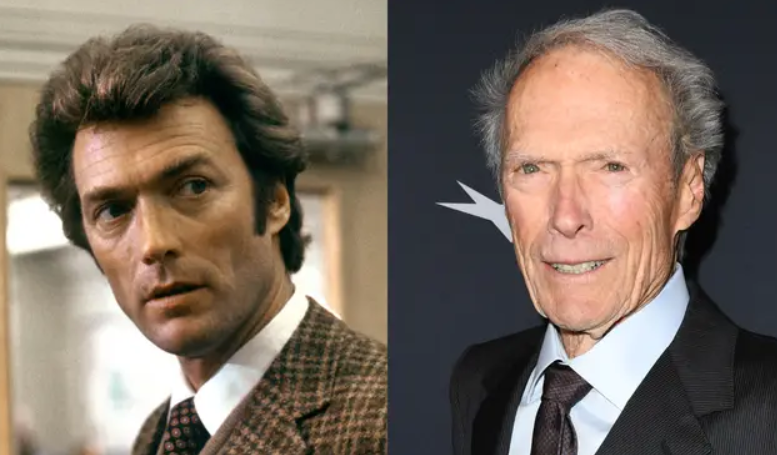
Long before Clint Eastwood became a defining figure of strength and restraint on screen, he was simply a quiet young man navigating an uncertain childhood in California. His early years were marked by frequent moves as his family searched for stability during difficult economic times. Constantly adapting to new environments shaped his personality—he became observant, self-contained, and comfortable standing slightly apart from the crowd. Those early traits would later become the foundation of his unmistakable presence in film.
As he grew older, Eastwood remained reserved, known more for his height and calm nature than for seeking attention. His life took a pivotal turn during his time in the military, when he survived a harrowing plane crash over the Pacific Ocean. The experience demanded endurance and clarity under pressure, leaving a lasting imprint on his outlook. That sense of quiet resilience would later show through in his performances, giving him a grounded intensity that felt authentic rather than performed.
His path into acting was anything but smooth. Early on, he faced criticism for being too stiff and not expressive enough—qualities that didn’t match traditional expectations of leading men at the time. Instead of changing who he was, he leaned into those differences. Gradually, opportunities began to open, first through television and then in film. His roles in Westerns redefined the genre, proving that a character could command attention through silence, subtlety, and controlled emotion.
In time, Eastwood expanded his work behind the camera, building a reputation as a director with a clear vision and steady hand. His films earned both critical respect and lasting cultural impact. More than a story of success, his journey is a reminder that strengths don’t always appear obvious at first. With patience, consistency, and trust in one’s own path, even the most understated beginnings can lead to a legacy that endures.