
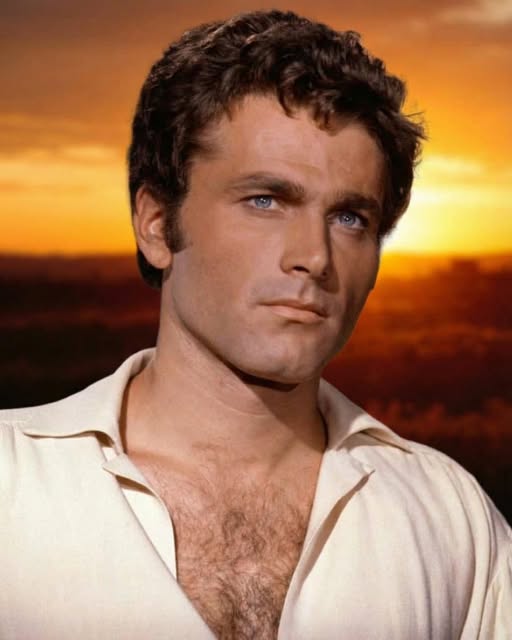
As European cinema evolved through the 1960s, audiences began seeking stories with greater emotional depth and visual intensity. Franco Nero emerged during this period not as a loud or flashy presence, but as an actor whose strength came from restraint. Born in the early 1940s, he entered the industry when filmmakers were experimenting with mood-driven storytelling, and his calm, controlled performances fit that shift perfectly. Rather than relying on grand gestures or heavy dialogue, Nero allowed silence, expression, and tension to do much of the work.
His career changed course in 1966 with Django, a film that redefined the Western genre. Nero’s portrayal broke away from the traditional heroic mold, presenting a character shaped by loss, pain, and moral ambiguity. The role was notable for what it withheld as much as what it showed—minimal speech, measured movement, and a sense of inner conflict that felt startlingly modern. The impact of that performance extended well beyond its era, influencing filmmakers around the world and leaving a creative footprint that still echoes through cinema today.
Rather than being confined by one iconic role, Nero chose variety and endurance. Over the decades, he appeared in hundreds of productions, spanning genres that ranged from political thrillers and historical epics to action films and art-house projects. At a time when few actors crossed borders easily, he worked across Europe and in Hollywood, adapting to new languages, styles, and creative expectations. This willingness to evolve allowed his career to stretch far beyond trends that sidelined many of his contemporaries.
What makes Franco Nero’s journey remarkable is not spectacle, but sustainability. His success was built on discipline, adaptability, and respect for the craft of acting. As film lovers rediscover his work through restorations and retrospectives, his performances continue to resonate for their quiet intensity and emotional control. Nero’s career stands as a reminder that lasting influence in cinema often belongs to those who understand the power of understatement—and who commit fully to the art rather than the spotlight.