
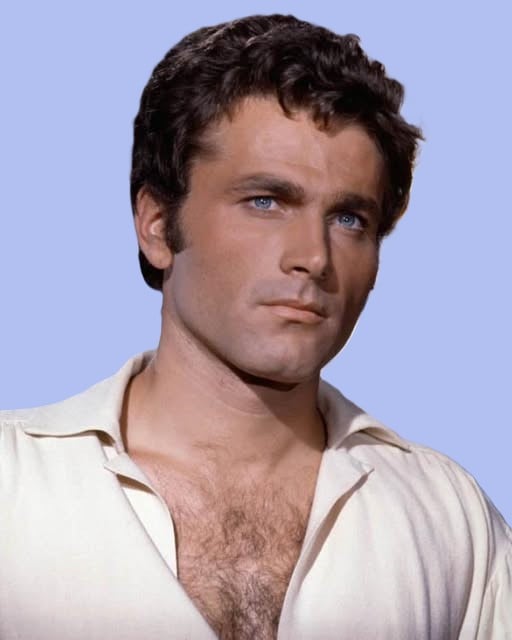
Born in 1941 as Francesco Clemente Giuseppe Sparanero, Franco Nero came into film at a time when European cinema was beginning to embrace darker, more complex storytelling. He quickly became one of its most striking faces, bringing a calm intensity that set him apart from more conventional leading men. His rise felt perfectly timed, as audiences were starting to gravitate toward characters shaped by grit, silence, and emotional depth rather than easy heroism.
His breakthrough in Django remains one of the defining moments of his career. The image of a lone gunslinger dragging a coffin through the mud became instantly unforgettable, helping transform the film into a lasting symbol of the spaghetti Western era. Nero’s performance relied less on dramatic speeches and more on expression, posture, and presence. That restraint gave the character unusual weight and helped turn a modest production into a work that left a deep mark on film history.
Still, Franco Nero’s career cannot be reduced to a single iconic role. Over the years, he moved fluidly across genres and countries, appearing in political dramas, historical films, thrillers, and major international productions. What made that journey remarkable was his consistency. Even as the industry changed and many familiar stars faded from view, Nero continued building a body of work defined by discipline, versatility, and lasting appeal.
What makes his legacy so compelling is the way he proves that influence does not have to be loud. Franco Nero built his reputation through control, craftsmanship, and a magnetic presence that never needed excess to command attention. His career offers a lasting reminder that true screen power often comes from confidence, precision, and the ability to hold an audience with the smallest gesture.