
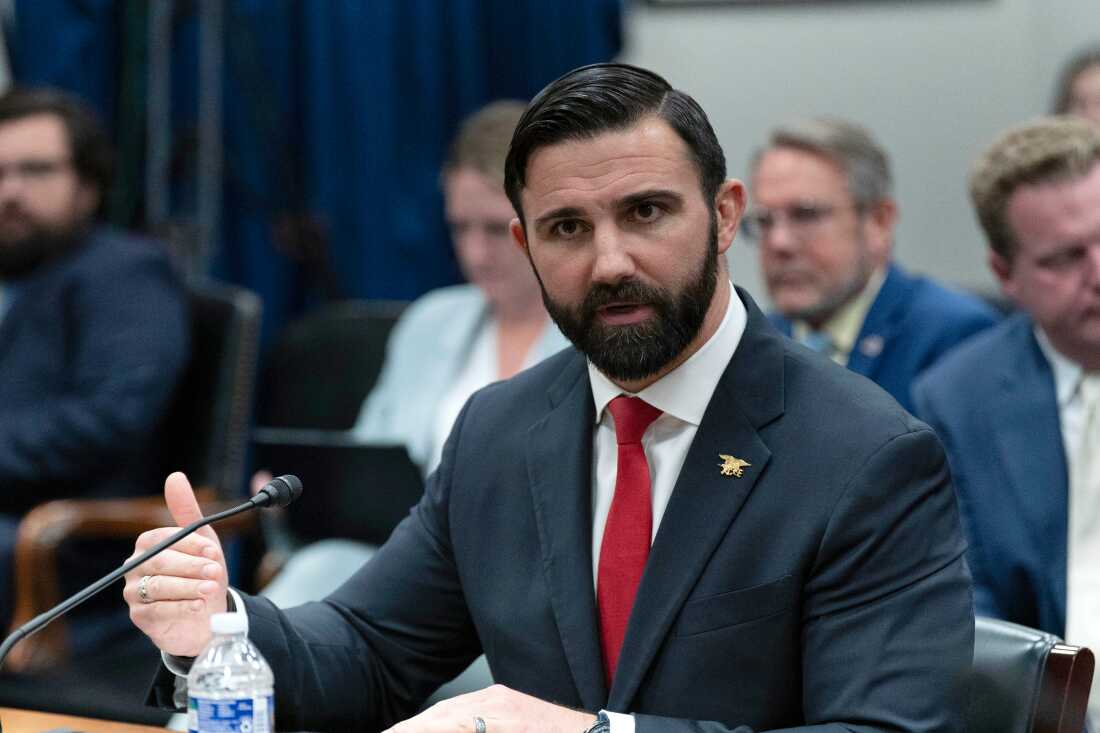
The leadership of the Federal Emergency Management Agency has once again become a focal point of national discussion following the dismissal of its acting leader, Cameron Hamilton, after remarks he made during congressional testimony. The decision—reportedly influenced by political figures aligned with Donald Trump—has fueled a broader conversation about how disaster response should be managed in the United States. For many observers, the situation goes beyond a single personnel change and speaks to deeper tensions about the direction of federal emergency policy.
At the center of the debate is a fundamental question: how should the country structure and fund its disaster response systems in an era of increasingly frequent and severe weather events? Hamilton’s removal has prompted concern among emergency management professionals, lawmakers, and local leaders who rely on coordinated federal support during crises. Some worry that changes to leadership—or potential restructuring—could impact how effectively resources are deployed when communities face large-scale emergencies.
The timing has added to the urgency of the discussion. Across the country, many communities are still working to rebuild after recent storms, wildfires, and other climate-related disasters. In that context, any uncertainty around leadership at Federal Emergency Management Agency has drawn heightened attention, as people look for reassurance that systems are in place to respond quickly and effectively when the next crisis hits.
To understand what’s at stake, it helps to look at FEMA’s role within the broader emergency response framework. Established in 1979 and operating under the U.S. Department of Homeland Security, FEMA coordinates federal disaster assistance and works closely with state, local, tribal, and territorial governments. Its responsibilities range from immediate response efforts—such as search and rescue and resource distribution—to long-term recovery, including rebuilding infrastructure and supporting displaced residents. As debates continue, the agency’s mission remains central to how the nation prepares for and responds to emergencies.