
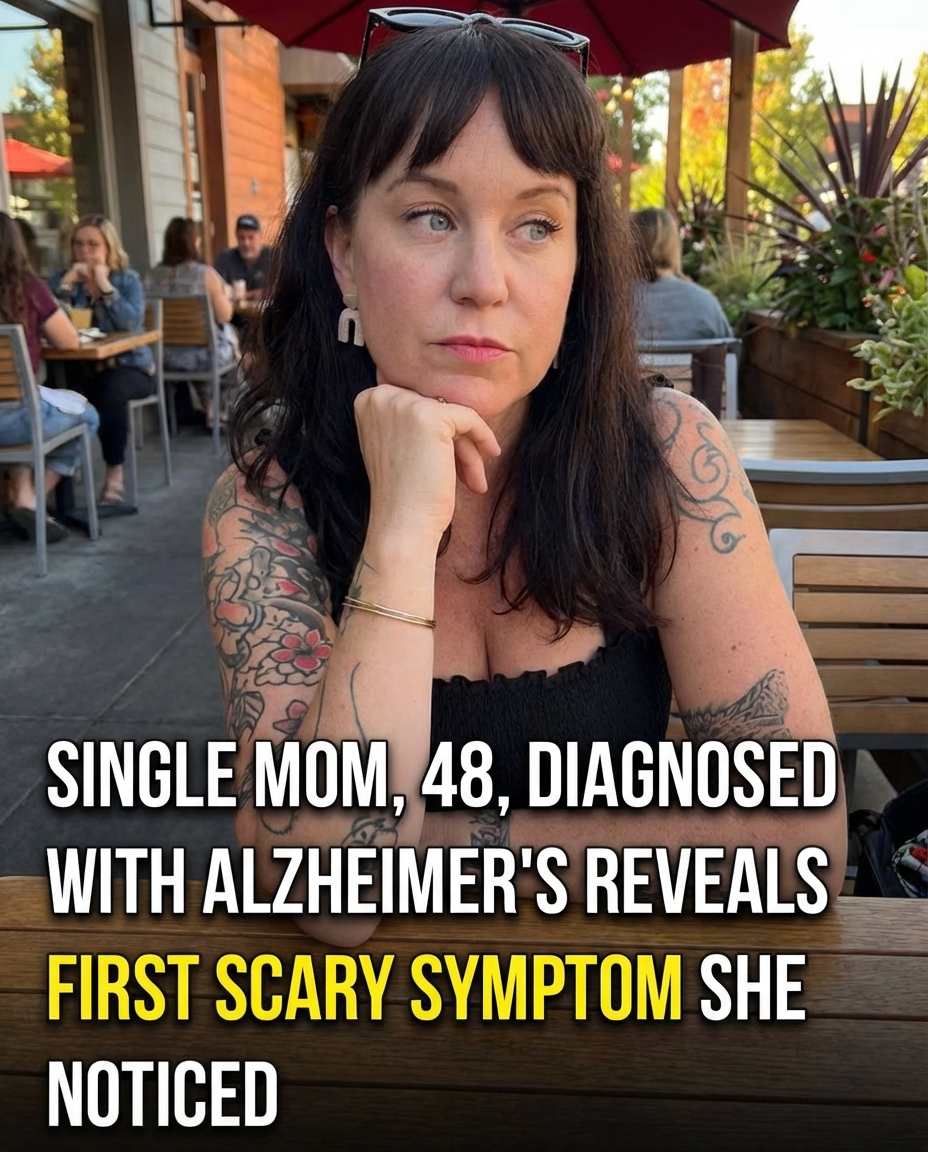
At 48, Rebecca Luna was managing the familiar rhythm of work deadlines, parenting responsibilities, and daily routines when subtle changes began to interrupt her sense of normalcy. What first felt like simple stress—misplacing items, losing track of conversations, struggling to focus—gradually became harder to dismiss. One morning at her office, she sat down at her computer and realized she couldn’t remember how to begin tasks she had performed for years. That unsettling moment prompted her to seek medical guidance, ultimately leading to a diagnosis of early-onset Alzheimer’s—a condition that affects individuals under 65 and often arrives during the busiest years of life.
Early-onset Alzheimer’s is less common than later-life diagnoses, but its impact can be profound. Careers, financial plans, and family dynamics may all shift unexpectedly. For Rebecca, understanding the condition was the first critical step. Specialists explained how the disease can begin with mild cognitive changes before gradually affecting memory, problem-solving, and daily functioning. Recognizing early signs—persistent memory gaps, difficulty completing familiar tasks, or confusion with time and place—can help individuals seek timely evaluation and support. Medical professionals emphasize that while there is no cure, early diagnosis allows families to plan, access resources, and create supportive routines.
As Rebecca adjusted to her new reality, she focused on practical strategies to maintain safety and independence. She began using reminders and alarms, simplified daily schedules, and organized her home to reduce confusion. When she once realized she had left food unattended on the stove, she installed additional safety measures and committed to cooking only when someone else was nearby. These proactive steps, combined with regular medical follow-ups and family involvement, helped her regain a sense of control. Experts often recommend structured routines, open communication, and environmental adjustments as effective ways to manage early cognitive changes.
Today, Rebecca shares her experience to encourage awareness and compassion. She reminds others that memory conditions are not limited to older adults and that empathy is essential when supporting someone facing cognitive challenges. Her message centers on preserving dignity, maintaining connection, and focusing on what remains possible rather than what is lost. By speaking openly, she hopes others will recognize early warning signs, seek professional guidance when needed, and approach memory-related conditions with patience and understanding.