
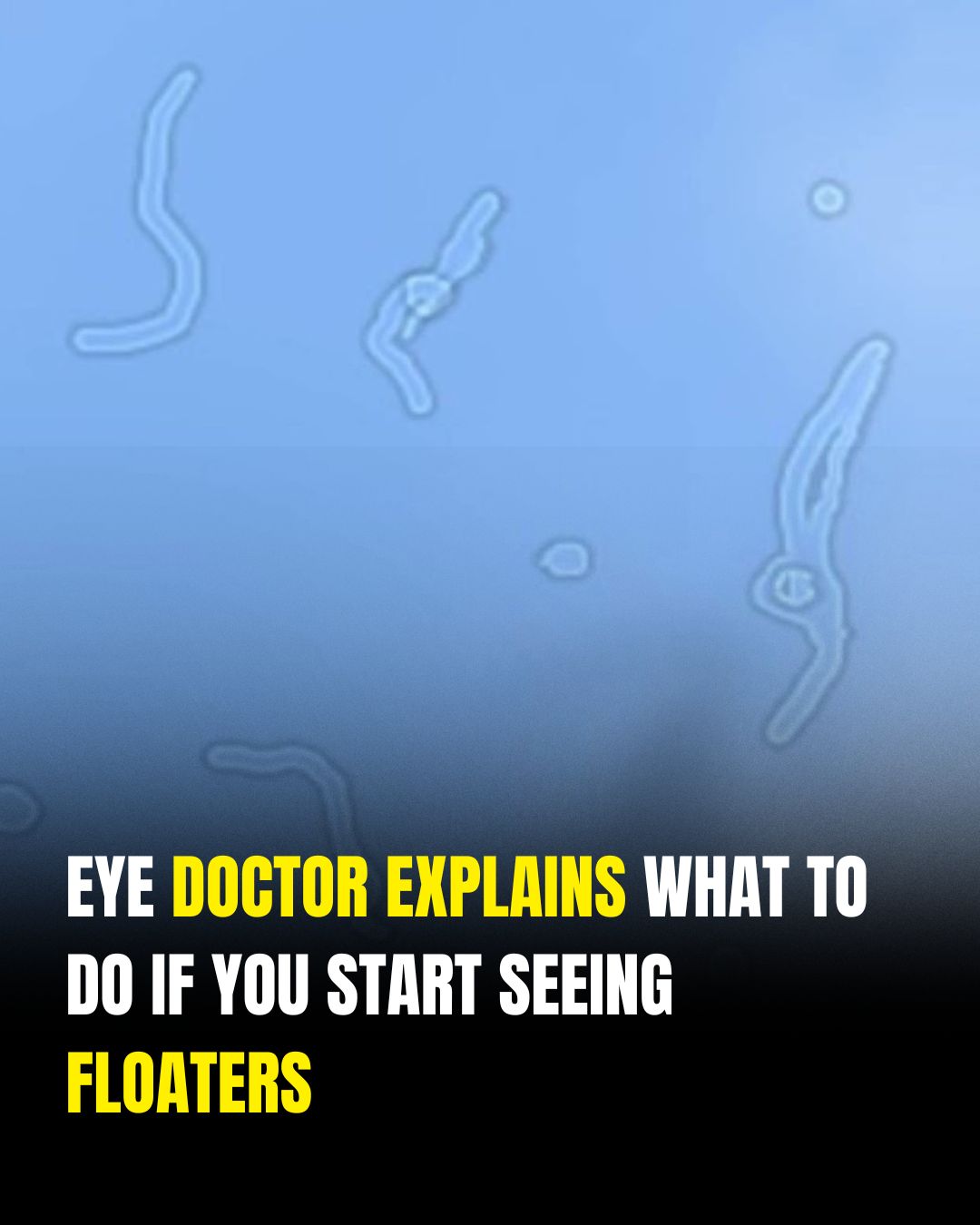
Sight is one of the most important senses we rely on every day. From reading and working to recognizing faces and moving safely through our surroundings, our eyes constantly guide how we interact with the world. Because vision plays such a large role in daily life, even small changes can quickly draw attention and sometimes cause concern.
One common change many people notice is the appearance of “eye floaters.” These are small shapes that drift across your field of vision and may look like dots, threads, or cobweb-like lines. According to Mayo Clinic, floaters are usually caused by natural aging changes inside the eye. Over time, the gel-like substance called the vitreous begins to shrink and become more liquid, causing tiny protein fibers to clump together and cast shadows on the retina.
For most individuals, floaters are harmless and very common. Many people notice them occasionally, especially when looking at bright surfaces such as the sky or a light-colored wall. Health experts, including those at the NHS, explain that if floaters have been present for a long time and are not increasing or affecting vision significantly, they usually do not require treatment.
However, certain symptoms should be taken seriously. A sudden increase in floaters, flashes of light, blurred vision, eye pain, or a shadow moving across your vision could indicate a more serious eye issue. In these situations, medical professionals recommend seeking prompt evaluation from an eye specialist. Regular eye checkups, a balanced diet, and healthy lifestyle habits can also help support long-term eye health and protect your vision.