
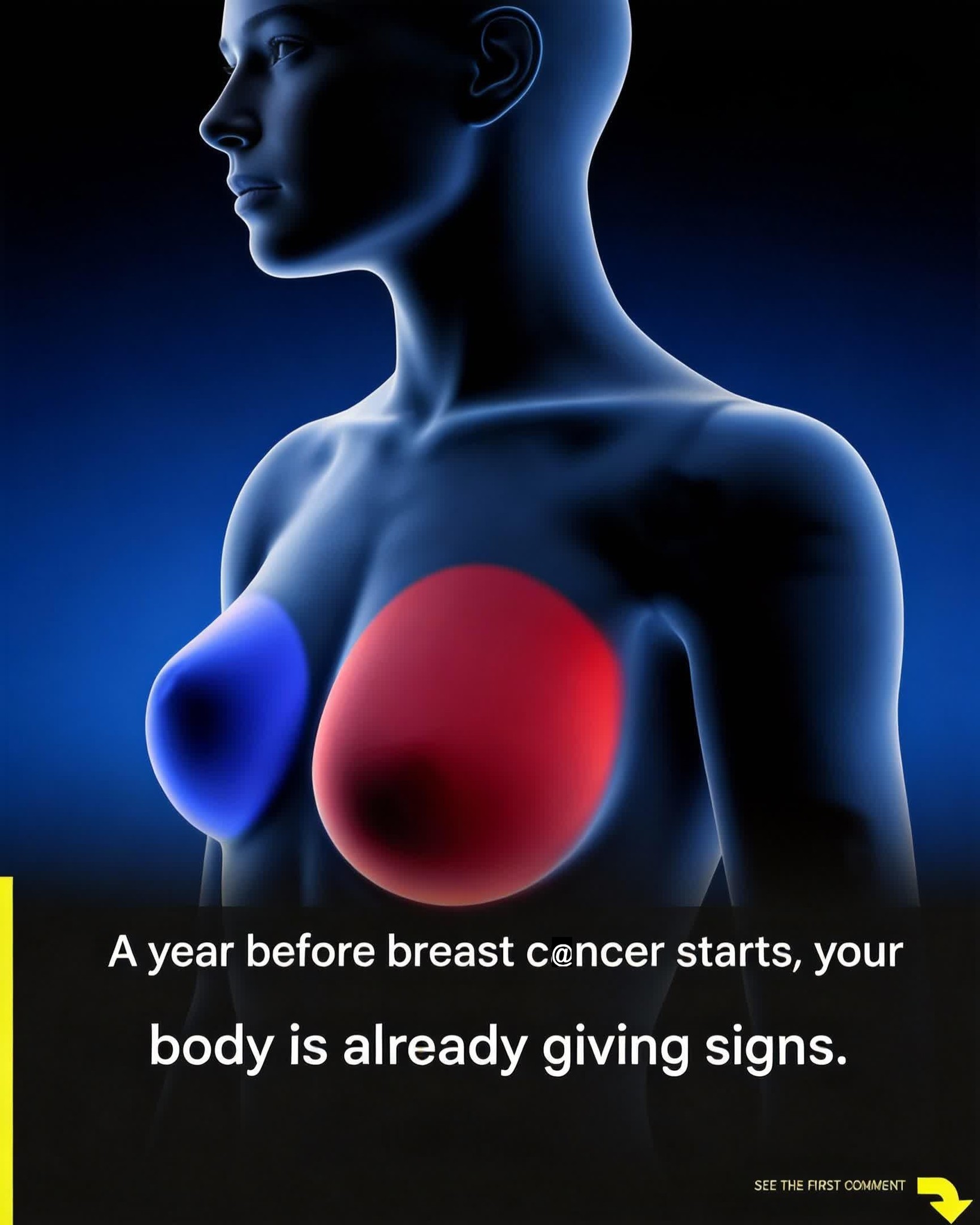
Sometimes it’s the smallest shift that catches your attention — a new sensation while showering, a subtle change in the mirror, or discomfort that feels different from usual. While most breast changes are not cancer, they can still be meaningful signals from your body. Understanding what’s normal for you is key. When unusual changes are identified early, treatment — if needed — is often more straightforward, and outcomes tend to be more favorable.
One area many women overlook is the armpit. This region contains lymph nodes, which can swell due to minor infections or inflammation. However, a lump that feels firm, remains for more than a couple of weeks, or doesn’t move easily under the skin should be evaluated by a healthcare provider. In some cases, lymph node changes may appear before noticeable differences in the breast itself, making awareness of this area especially important.
Visible or physical breast changes can also offer clues. Watch for a newly developed lump, thickening of tissue, persistent pain in one specific spot, or a change in size or shape. Skin texture changes — such as dimpling or an “orange peel” appearance — along with nipple discharge, redness, or inversion that wasn’t present before, are also worth discussing with a doctor. Many of these symptoms can stem from benign conditions, but anything new, lasting, or progressively worsening deserves medical attention.
Staying proactive doesn’t require panic — just consistency. Performing monthly self-checks can help you recognize your normal patterns so that changes stand out more clearly. Around age 40, many women begin routine screenings such as mammograms, though earlier monitoring may be recommended depending on individual risk factors. If something feels unusual, schedule an appointment rather than waiting. Early evaluation offers reassurance and, when necessary, timely care — both essential for long-term health.