
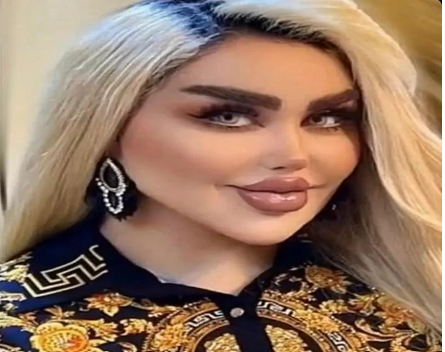
Dalia Naeem, a 29-year-old media personality from Baghdad, recently found herself at the center of global attention after sharing a striking change in her appearance online. In a video that quickly spread across social platforms, she appeared with lighter hair, refined makeup, and a carefully styled, doll-like aesthetic. Filmed alongside her makeup artist, the clip was casual and upbeat, yet it transformed a simple style reveal into a moment that sparked widespread discussion far beyond her usual audience.
As the video gained momentum, it opened the door to broader conversations about beauty standards and self-image in the digital age. Reports suggesting that her transformation involved cosmetic procedures added another layer to the discussion, prompting reflection on how modern trends and online visibility influence personal decisions. For many viewers, the moment became less about one individual and more about how easily appearance changes can become amplified—and scrutinized—through social media.
Public reaction was mixed, highlighting how deeply personal choices often invite strong opinions. Supporters applauded her confidence and saw her transformation as a valid form of self-expression and creative control. Others responded with concern, focusing on health, emotional well-being, and the pressure to meet evolving beauty ideals. Together, these responses reflected an ongoing cultural dialogue about autonomy, responsibility, and the need for informed choices when it comes to appearance.
Ultimately, Dalia Naeem’s experience illustrates how individual expression can intersect with global conversations in an increasingly connected world. Her story serves as a reminder that behind every viral moment is a personal journey shaped by confidence, influence, and intention. In today’s media-driven culture, it reinforces the importance of respecting personal boundaries while encouraging thoughtful, well-informed decisions about self-presentation and identity.