
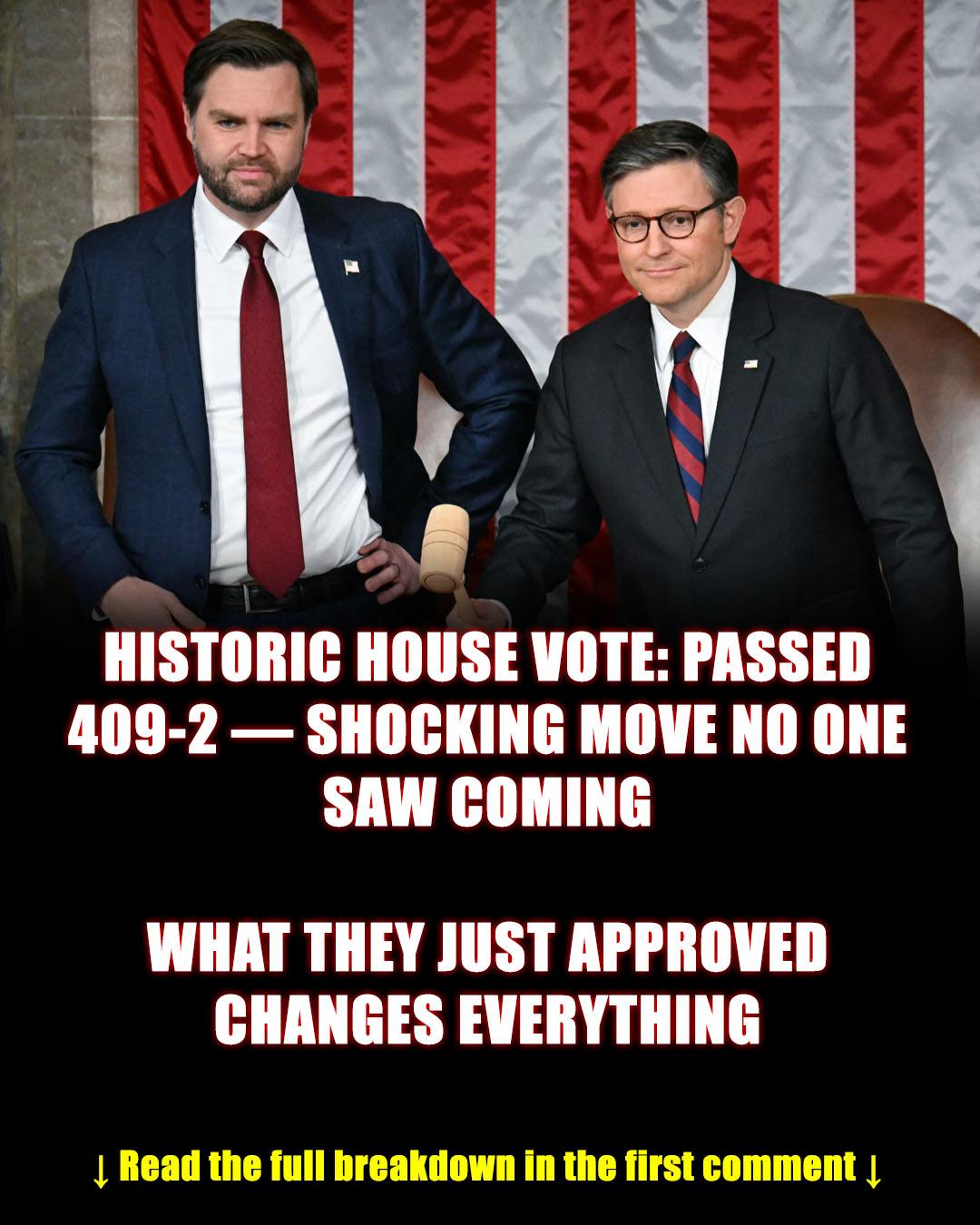
In an uncommon show of bipartisan unity, United States Congress has approved landmark legislation aimed at protecting Americans from the misuse of personal images online. The newly passed TAKE IT DOWN Act cleared the House with an overwhelming 409–2 vote, signaling broad concern over the rise of nonconsensual intimate content. The law directly addresses both real and AI-generated images, reflecting how rapidly technology has changed the risks surrounding privacy and reputation.
Supporters describe the measure as a long-overdue safeguard that restores a sense of control to individuals navigating digital spaces. Under the new law, knowingly creating or sharing intimate images or videos without consent becomes a federal crime, regardless of whether the material is authentic or digitally fabricated. The act also places clear expectations on social media companies and technology platforms, recognizing their role in how quickly harmful content can spread.
Looking ahead, the legislation sets firm deadlines for the tech industry. By 2026, major platforms will be required to offer streamlined tools that allow users to request fast removal of nonconsensual or inappropriate material. Lawmakers and advocates emphasize that the stakes are deeply personal: victims often experience lasting emotional distress, social isolation, and professional setbacks when such content circulates unchecked.
Beyond criminal penalties, the TAKE IT DOWN Act establishes a practical framework for rapid response, aiming to limit harm before it escalates. While debates raised questions about free speech and regulatory reach, sponsors argue the law strikes a careful balance between protecting privacy and ensuring platform accountability. With strong bipartisan backing and public support from the White House, the legislation stands as a milestone—one that acknowledges the realities of AI-driven media and sets new standards for digital responsibility.