
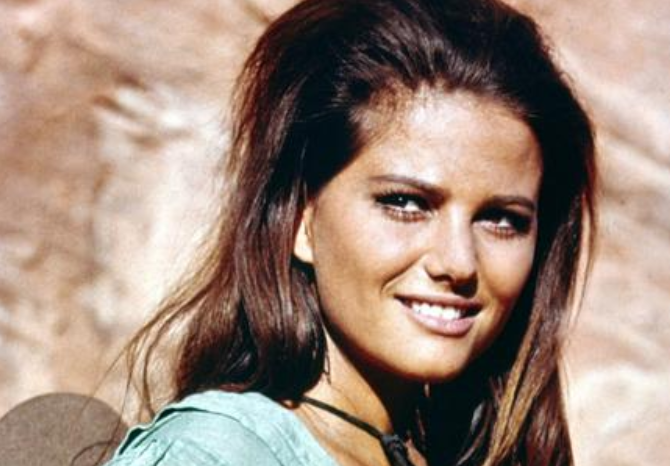
During the golden age of European cinema, Claudia Cardinale emerged as one of the screen’s most captivating presences. From her earliest appearances, audiences recognized a rare blend of striking beauty, intelligence, and emotional nuance. Her performances were layered and authentic, bringing depth to characters that lingered in the minds of viewers long after the credits rolled. Rather than relying solely on glamour, she infused each role with complexity and sincerity.
Cardinale built her career at a time when the film industry presented significant challenges for women. With determination and grace, she carved out space for herself, taking on roles that demanded strength, vulnerability, and quiet courage. Critics consistently praised her ability to communicate subtle emotion — often with just a glance or pause — elevating even the most understated scenes. Directors and co-stars admired her professionalism and commitment to her craft, qualities that helped her thrive across diverse genres and international productions.
As the decades passed, Cardinale’s influence only deepened. She remained active in film culture, attending festivals, participating in retrospectives, and sharing reflections on her career with younger generations. Her work in classics such as The Leopard and Once Upon a Time in the West continues to be studied and celebrated. Through these enduring performances, she became a symbol of timeless elegance and artistic integrity.
With a career spanning more than half a century, Claudia Cardinale stands as a bridge between classic and contemporary filmmaking. Her legacy is not defined by a single role but by a body of work that reflects passion, resilience, and dedication to storytelling. In honoring her contributions, cinema acknowledges an artist whose presence helped shape an era — and whose influence continues to inspire long after the spotlight has dimmed.