
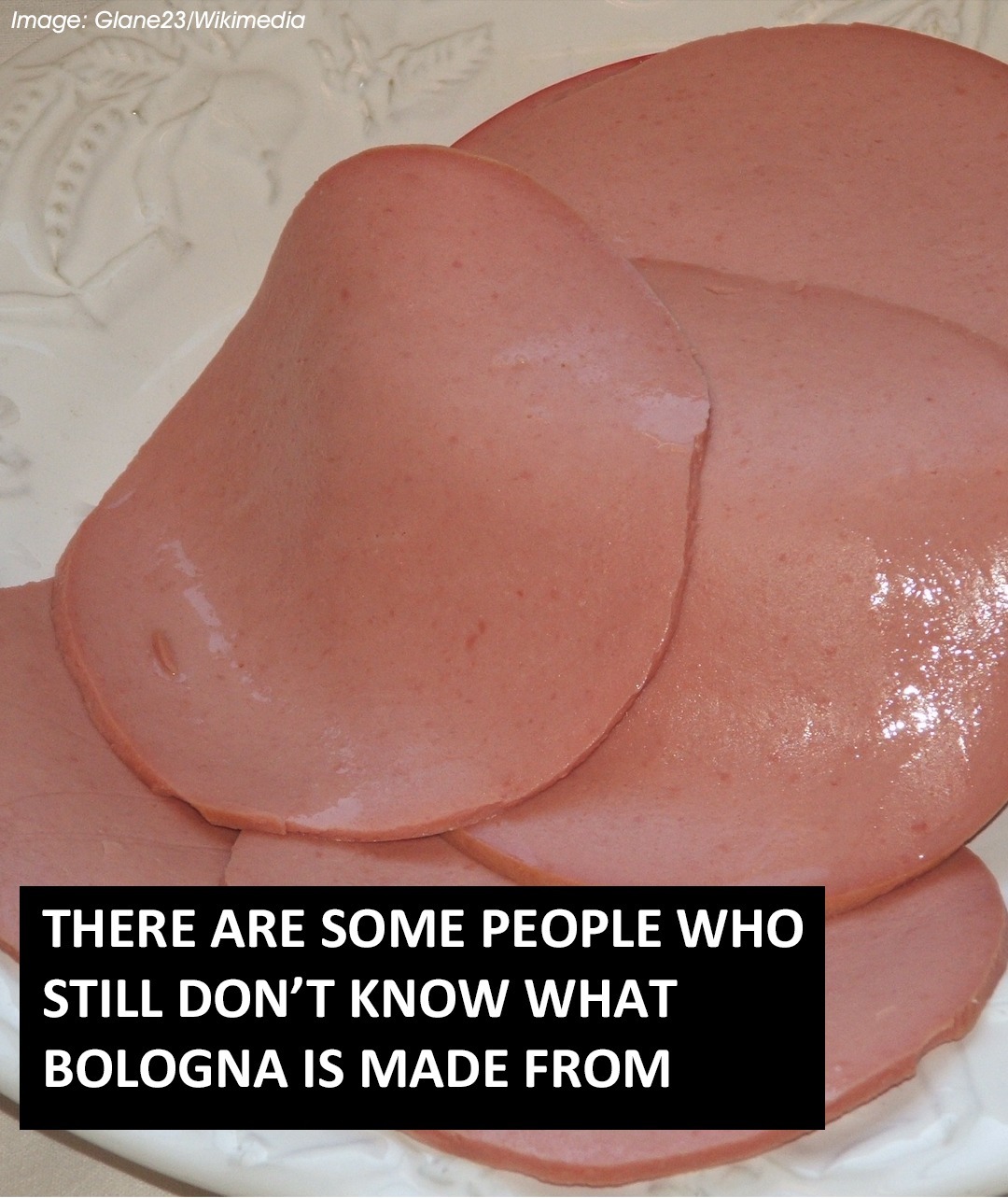
Bologna is often treated like a punchline, but the reality is far less dramatic than the rumors suggest. Rather than being some vague or mysterious mixture, it is a modern processed sausage made under food safety standards and clear labeling rules. Most varieties are produced from pork, beef, chicken, or a combination of those meats, blended with fat and seasonings into the smooth texture people recognize instantly. It may not be a gourmet staple, but it is also not the horror story that popular myths have made it out to be.
Its roots trace back to a much older sausage tradition, especially to mortadella from Bologna, Italy. That classic version is known for its rich flavor, visible pieces of fat, and occasional additions like peppercorns or pistachios. American bologna took inspiration from that heritage but evolved into something more uniform, affordable, and widely accessible. Over time, it became a deli-counter staple designed for convenience, consistency, and familiar taste rather than old-world flair.
Part of the confusion around bologna comes from the way processed meats are discussed in popular culture. People often assume the worst, imagining low-quality leftovers or unrecognizable ingredients, when in reality today’s products are typically made from standard cuts and regulated components intended for mass-market production. Reading the ingredient label usually tells a much simpler story: meat, fat, spices, curing agents, and sometimes a touch of sweetness to round out the flavor.
That does not make bologna a health food, but it does make it easier to understand. At its core, it is simply a processed comfort food with a long culinary lineage and a reputation that has grown stranger than the product itself. Mocked by some and still loved by many, bologna has managed to hold onto its place in sandwiches, lunchboxes, and nostalgia alike—proof that familiar foods do not have to be fancy to endure.