
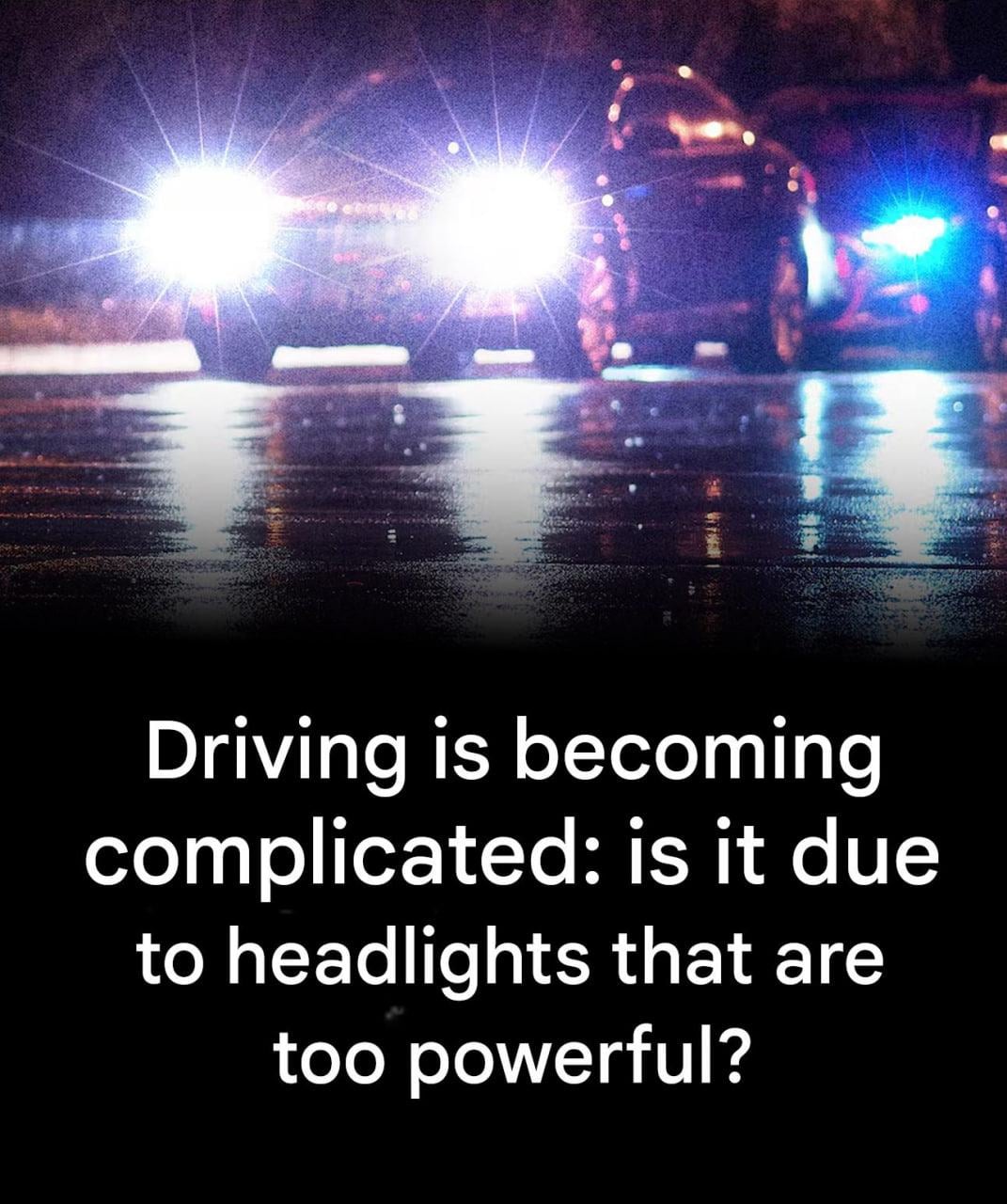
Modern LED headlights have transformed night driving. Their crisp, white beams improve visibility for drivers using them — but for oncoming traffic, they can feel overwhelming. The issue isn’t only brightness; it’s also color temperature and beam focus. Cooler, bluish-white light scatters differently than traditional halogen beams, and when headlights sit higher — as they often do on SUVs — they can hit directly at eye level. In rain or fatigue, that glare can briefly blur vision and create hesitation behind the wheel.
Understanding why this happens is the first step toward managing it. Bright, concentrated light can temporarily saturate the eyes, especially when pupils are already strained by darkness. Poorly aligned headlights make the problem worse, as beams may point too high instead of toward the road. Combined with reflective wet pavement or dirty windshields, glare intensifies quickly. Recognizing these factors helps you shift from frustration to practical prevention.
There are simple steps that can significantly reduce discomfort. First, ensure your own headlights are properly aligned — many service centers can check this quickly. If your vehicle carries heavy loads, use manual beam adjustment settings if available. Keep both the inside and outside of your windshield clean, since smudges and film can amplify glare. When facing oncoming traffic at night, look slightly toward the right edge of your lane rather than directly into approaching lights. This technique maintains road awareness while protecting your eyes from direct glare.
Encouragingly, automotive technology continues to evolve. Many newer vehicles now feature adaptive headlights that automatically adjust brightness and angle based on traffic conditions. As these systems become more common, nighttime driving may feel less stressful for everyone. In the meantime, small awareness shifts and consistent vehicle maintenance can make a noticeable difference — helping you stay calm, focused, and safer on the road after dark.