
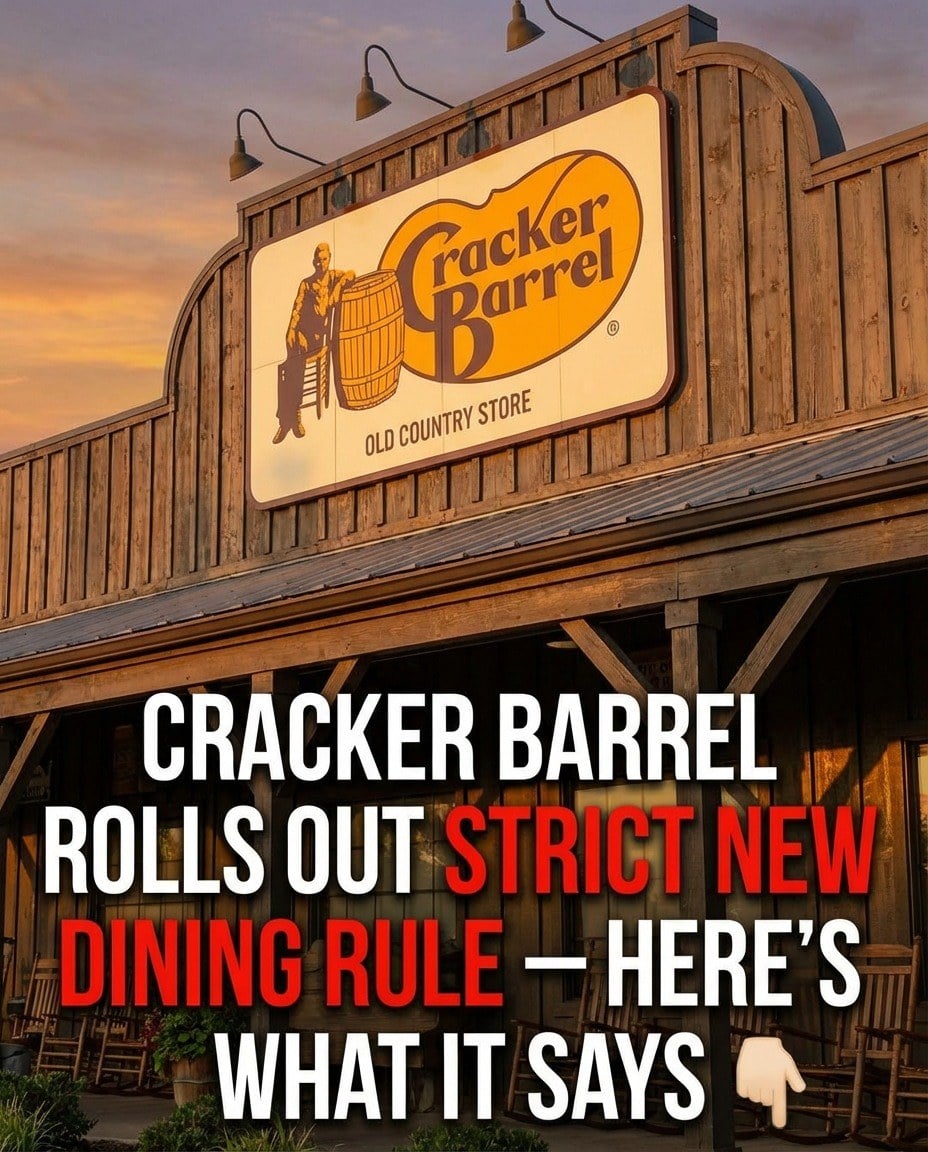
For decades, Cracker Barrel has represented a specific kind of comfort—one rooted in familiarity, nostalgia, and a slower, more traditional pace of life. From its iconic rocking chairs to its country-store interiors, the brand built a strong emotional connection with customers who saw it as more than just a place to eat. So when updates to its logo and restaurant design began appearing, even subtle changes felt significant to those who had come to associate the brand with consistency.
The company’s decision to modernize wasn’t about abandoning its identity, but about adapting to a shifting dining landscape. Like many long-standing brands, it faced the challenge of staying relevant to new generations while preserving what made it special. Still, customer reactions made one thing clear: when a brand is tied so closely to memory and tradition, even small adjustments can feel personal. The feedback prompted leadership to reassess how those changes were being introduced.
In response, the company began restoring some of the familiar design elements that customers valued most, while continuing to make less visible improvements behind the scenes. At the same time, internal discussions around employee travel guidance brought attention to workplace practices. By clarifying expectations and improving transparency, the company signaled a willingness to listen, adjust, and evolve—not just externally, but internally as well.
The situation reflects a broader reality for legacy brands. Growth and change are necessary, but they must be handled with care when identity is deeply tied to emotion and experience. Cracker Barrel’s approach shows that it’s possible to move forward without losing sight of what made people care in the first place. In the end, the goal isn’t to choose between past and future—but to find a way for both to coexist.