
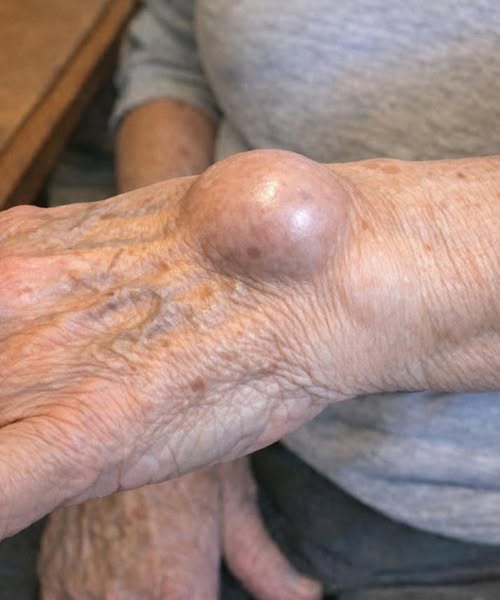
Discovering an unfamiliar lump on your wrist can be unsettling, especially if it seems to appear overnight. The suddenness alone can spark anxiety, but the most important first step is to pause and gather reliable information. Wrist lumps are common and often harmless, though they can vary in size, firmness, and tenderness. Paying attention to how the lump feels — whether it’s soft or firm, painful or painless, growing or stable — offers valuable clues. Instead of assuming the worst, approach the situation methodically: observe changes, avoid self-treatment, and prepare to discuss details with a healthcare professional.
One of the most frequent causes of a wrist lump is a ganglion cyst, a noncancerous, fluid-filled sac that forms near joints or tendons. These cysts typically feel round or oval and may be firm or slightly rubbery to the touch. They can fluctuate in size and sometimes become more noticeable after repetitive wrist activity. Although usually painless, discomfort may occur if the cyst presses on nearby nerves. Other possible explanations include lipomas (soft fatty growths), bone spurs linked to arthritis, rheumatoid nodules, or infections such as abscesses. In rare cases, a tumor may be involved, which is why a proper medical evaluation is always wise.
While most wrist lumps are not emergencies, certain warning signs require prompt care. Seek immediate medical attention if the lump is accompanied by severe pain, redness, warmth, fever, rapid growth, numbness, or difficulty moving your hand. These symptoms could indicate infection or nerve involvement. During a clinic visit, a doctor will typically perform a physical exam and may recommend imaging tests such as X-rays, ultrasound, or MRI for clarity. In some cases, aspiration — removing fluid with a needle — helps confirm a diagnosis, especially if a ganglion cyst is suspected. If uncertainty remains, further testing may be advised to rule out more serious conditions.
Treatment depends on the underlying cause and severity of symptoms. Many ganglion cysts resolve on their own and only require monitoring. If discomfort develops, options may include splinting to limit movement, aspiration to relieve pressure, or surgical removal if the cyst persists or recurs. At home, it’s important not to squeeze or puncture the lump, as this increases infection risk. Ice packs and over-the-counter pain relievers may ease mild discomfort, but professional guidance is always recommended. With proper evaluation and care, the outlook for most benign wrist lumps is positive, allowing you to move forward with reassurance and confidence.