
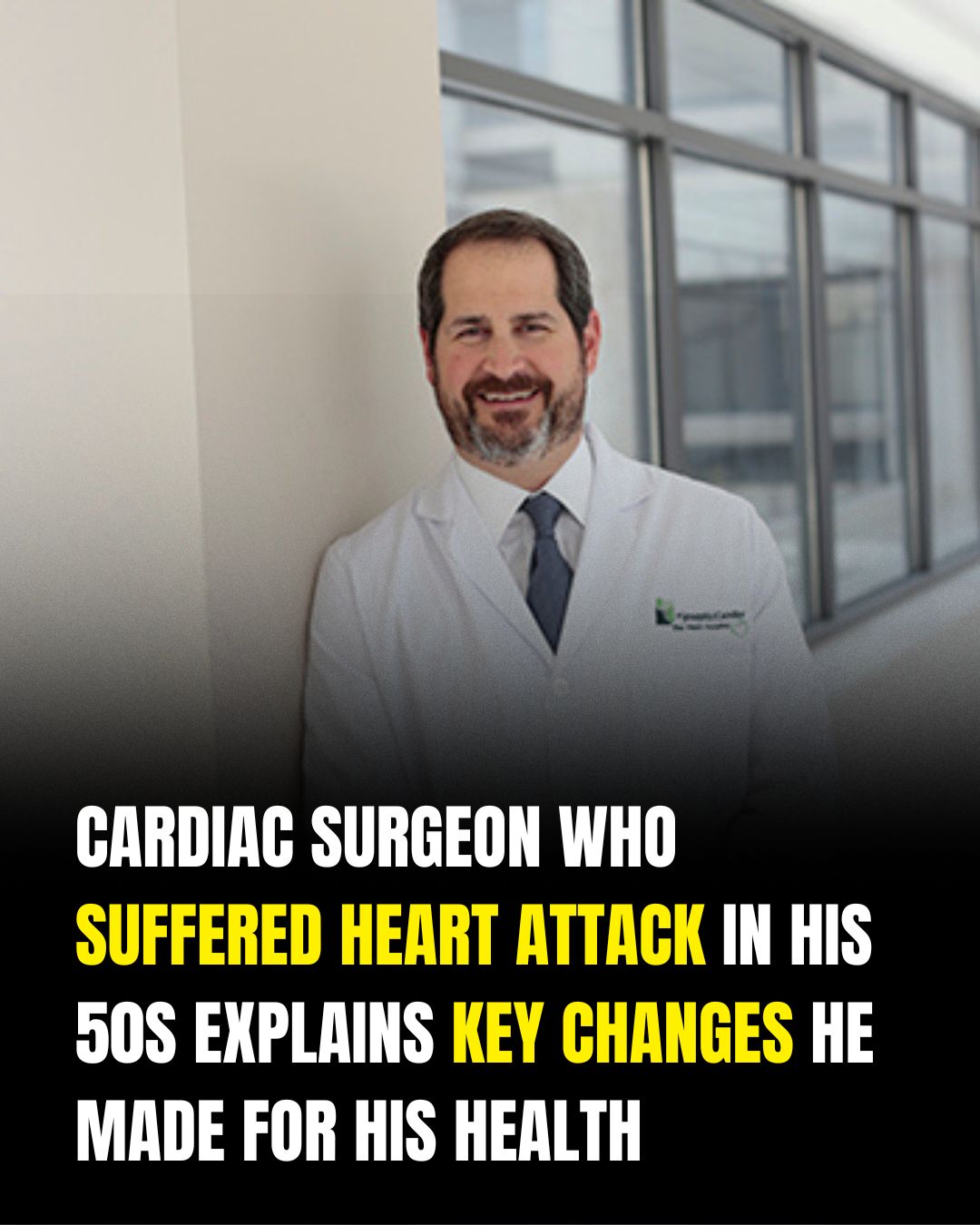
When a seasoned cardiac surgeon found himself on the other side of the operating table, the experience changed everything. In 2022, Dr. Jeremy London suffered a heart attack in his 50s — a moment that forced him to confront the very risks he had long warned patients about. Earlier that day, he had brushed off discomfort as simple heartburn before heading out on a hunting trip with his son in the Georgia woods. But when intense chest pain struck, he knew something was wrong. Doctors later discovered a 99% blockage in his right coronary artery. The experience was a powerful reminder that knowledge alone doesn’t guarantee healthy habits — and that even experts can overlook warning signs.
In the months that followed, London reassessed his daily routine and focused on practical, sustainable improvements rather than dramatic overhauls. One of the biggest changes? Prioritizing sleep. Years of long surgical shifts and overnight calls had conditioned him to function on minimal rest. After his heart attack, he recognized that chronic sleep deprivation can strain the cardiovascular system, elevate stress hormones, and impair recovery. By establishing consistent sleep routines and protecting downtime, he began treating rest as a non-negotiable part of heart health — not a luxury squeezed in when convenient.
Hydration was another overlooked factor he chose to address. Busy operating schedules had often meant going hours without water. Yet proper hydration supports healthy blood flow and reduces unnecessary strain on the heart. When the body is dehydrated, blood can become more concentrated, forcing the heart to work harder to circulate it. London now makes a conscious effort to drink fluids consistently throughout the day, viewing it as a simple but meaningful way to support cardiovascular function. These foundational habits — sleep and hydration — may sound basic, but they form the backbone of long-term wellness.
Equally important is recognizing the warning signs of a heart attack. Symptoms can vary widely from person to person. While chest pain is common, it may also radiate to the jaw, back, shoulders, or arms. Other warning signs include shortness of breath, nausea, sudden sweating, faintness, irregular heartbeat, anxiety, or unexplained fatigue in the days leading up to an event. Some people — particularly older adults — may experience confusion or stroke-like symptoms. Immediate medical attention is critical, as early intervention dramatically improves outcomes. London’s story serves as a powerful reminder that prevention begins with listening to your body — and taking action before a small signal becomes a life-changing emergency.