
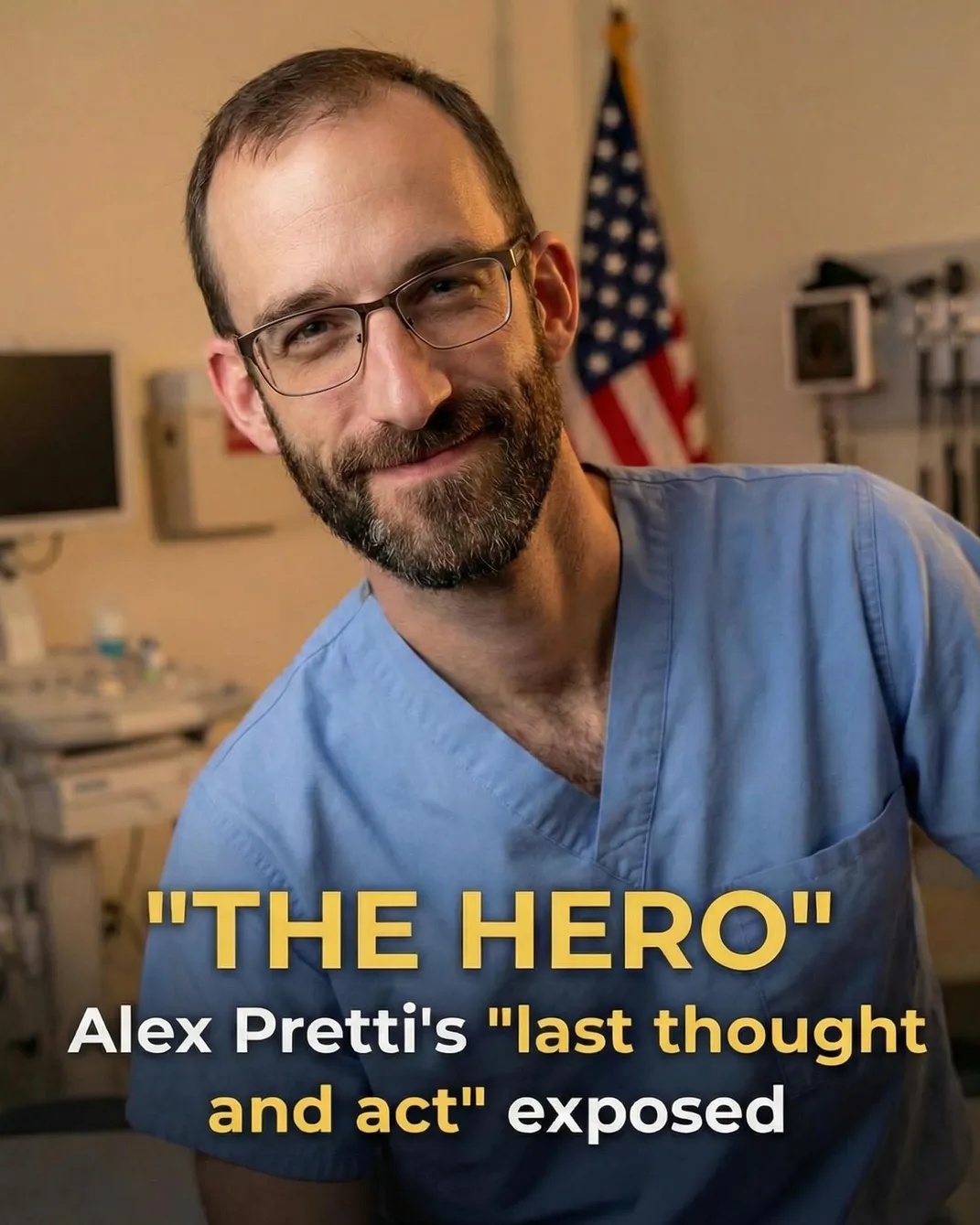
Winter already weighed heavily on Minneapolis when reports emerged that Alex Jeffrey Pretti, a 37-year-old intensive care nurse, was killed during a federal immigration enforcement operation in late January. Pretti, remembered by colleagues for his calm presence and commitment to patient care, worked with veterans and was widely described as someone driven by service. What began as a targeted enforcement action quickly became a moment of collective grief, with memorials appearing across the city and residents struggling to process how a life devoted to helping others ended so abruptly.
Public officials responded with calls for clarity and accountability. Minnesota leaders emphasized the importance of a transparent review, with Tim Walz stating that the state would play a leading role in examining the incident rather than deferring solely to federal agencies. Minneapolis Mayor Jacob Frey echoed concerns about federal operations in residential areas, urging coordination that prioritizes public safety. Nationally, Donald Trump defended federal officers, highlighting the difficult and fast-moving conditions under which enforcement actions can unfold—underscoring how deeply divided public opinion remains on these issues.
Pretti’s family described him as compassionate and principled, pointing to his work in intensive care and his dedication to veterans. They questioned early claims suggesting he posed a threat, saying he appeared to be holding a phone and attempting to protect someone else. Federal authorities later stated that Pretti legally owned a firearm and that officers believed he was armed, though publicly shared bystander footage has not clearly shown a weapon. Investigators have said they are reviewing video, witness accounts, and physical evidence to establish a clear timeline.
Friends and colleagues continue to share memories of Pretti as a thoughtful professional who cared deeply about community well-being and civic engagement. Records indicate he held an active nursing license and had no serious criminal history, details that have shaped public conversation as reviews move forward. Officials have urged patience while investigations continue, asking the public to wait for verified findings. For Minneapolis, however, the loss is already deeply felt—mourning a healthcare worker whose death has become part of a broader national discussion about enforcement practices, oversight, and civilian safety.