
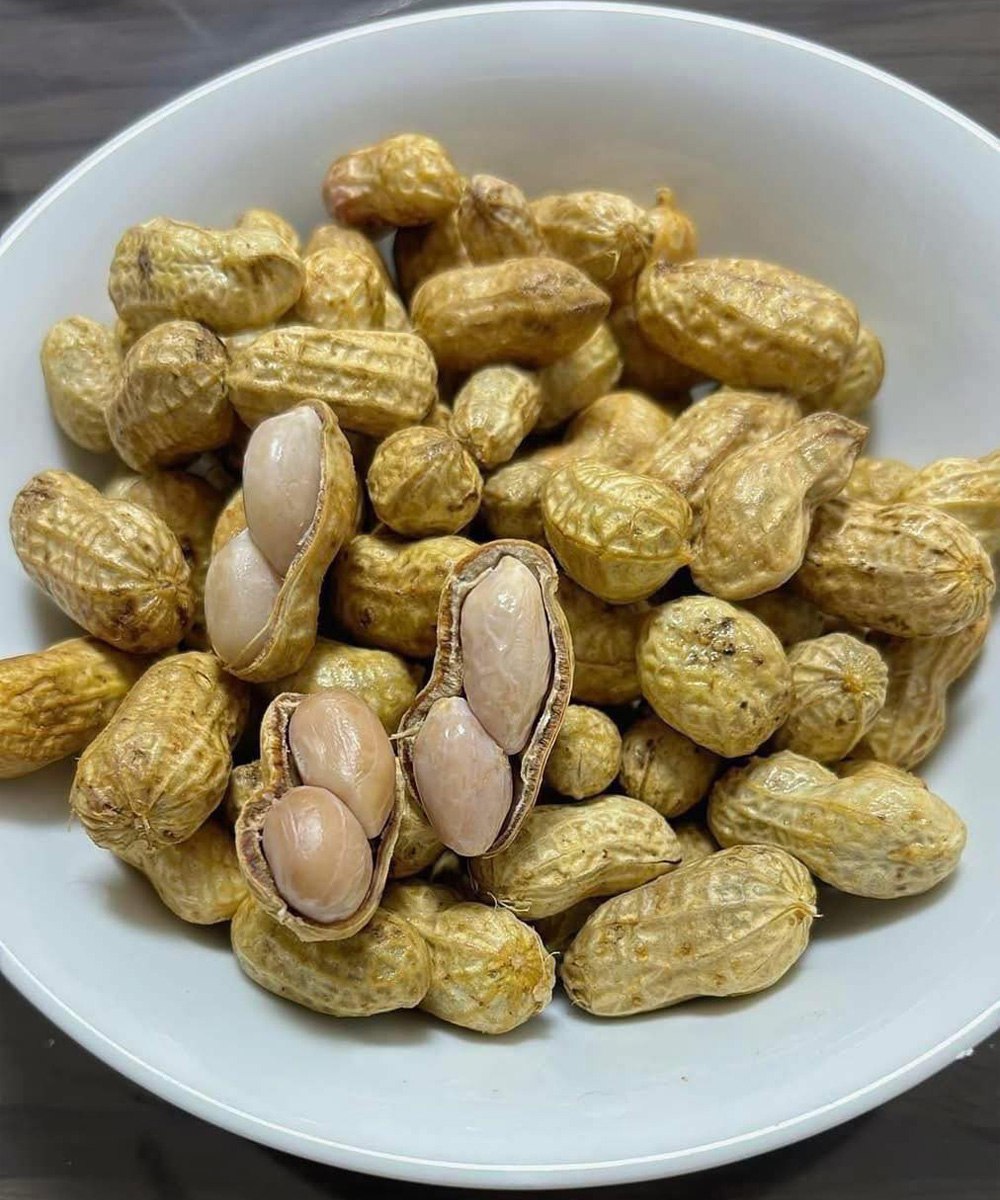
Crunchy, satisfying, and full of flavor, peanuts are more than a popular snack — they’re a powerhouse of nutrients that support overall wellness. Packed with protein, fiber, and healthy fats, peanuts can help keep you fuller for longer while promoting heart health and balanced blood sugar levels. They also contain essential vitamins and minerals such as A, B6, E, calcium, phosphorus, and iron, all of which play key roles in energy, immunity, and bone strength.
Regular peanut consumption has been linked to lower risks of chronic disease. Studies suggest that peanuts may help reduce the likelihood of developing type 2 diabetes by slowing carbohydrate absorption and improving insulin sensitivity. Research also shows that women who eat peanuts twice a week may reduce certain cancer risks by more than 50%, while men may see a 25–30% reduction. Additionally, their cholesterol-lowering properties support liver and gallbladder health, helping the body process fats more efficiently.
Boiled peanuts offer similar benefits but should be enjoyed in moderation, as overeating can lead to bloating or mild digestive discomfort. Moldy peanuts should always be avoided because they may contain aflatoxin, a substance harmful to the liver. People who take blood-thinning medications should consult a healthcare provider before consuming peanuts regularly due to their vitamin E content, which can affect clotting.
Peanuts aren’t suitable for everyone. Those with peanut allergies should avoid them completely, as even small amounts can cause severe, potentially life-threatening reactions. Individuals with gout or high uric acid levels may also experience flare-ups, and those with sensitive digestion might find them difficult to tolerate in large quantities. When eaten mindfully and in balance, however, peanuts are a delicious, nutrient-rich addition to a healthy diet — proof that simple foods often offer the most powerful benefits.