
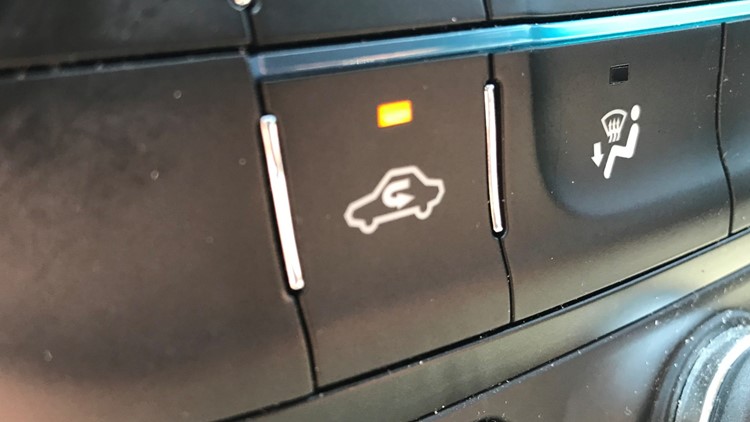
When Should You Use It? Ideal Situations
There are specific times when activating the air recirculation function is beneficial:
- Driving through heavy traffic or polluted areas (e.g., city centers or ring roads)
- Passing unpleasant odors (like near farms, factories, or treatment plants)
- Traveling through tunnels or dusty environments
- Hot weather – it helps your air conditioner work more efficientlyIn these scenarios, the button helps keep unpleasant or polluted air out of your car. It’s a small action that can make a big difference in your comfort.
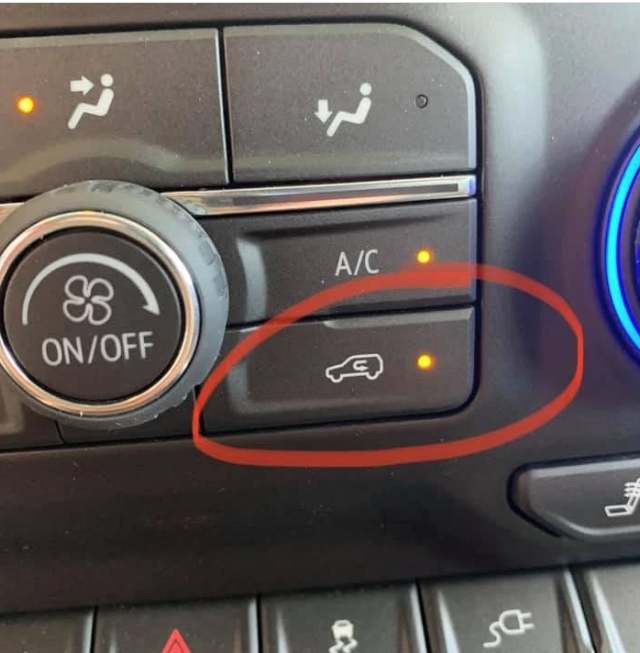
When NOT to Use It
In cold or damp conditions, recirculating air can cause problems. Why?
- Increased humidity can quickly fog up your windows, reducing visibility.
- CO₂ buildup from recycled air can lead to drowsiness, headaches, and fatigue.
- Higher moisture levels create a breeding ground for mold and bacteria, which can harm your health.These effects can happen without you noticing—so while it might feel like you’re improving comfort, you could actually be compromising safety.
Best Practices for Using Air Recirculation
To get the most benefit while avoiding risks, follow these simple tips:
- Don’t leave it on continuously. Use it as needed, then switch back to fresh air.
- Avoid using it in cold, rainy, or damp weather.
- Limit use in hot weather to 10–15 minutes to cool the cabin, then switch it off.
- Watch for fogged-up windows. If they start to mist over, turn off recirculation immediately.
- Listen to your body. If you feel tired, stuffy, or lightheaded, check whether this feature has been on too long.