
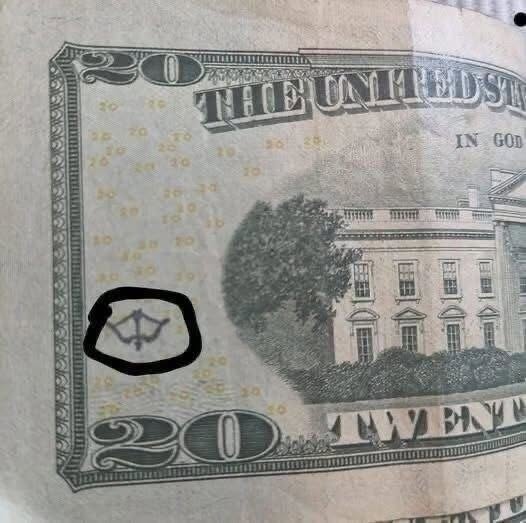
Most people handle cash without paying much attention to the details beyond the denomination and familiar designs. However, unusual symbols, stamps, or markings occasionally found on banknotes can spark curiosity and even concern. Some people assume these marks indicate damage or signs of counterfeiting, while others wonder whether they carry hidden meanings. In reality, many of these unusual markings have historical significance and reflect centuries-old traditions connected to trade and commerce. Known in some cases as “chop marks,” these symbols tell a story about how merchants and money changers established trust long before modern banking systems became widespread.
Centuries ago, traders faced a major challenge when conducting business across different regions. Without centralized financial institutions, verifying the authenticity of coins and precious metals was essential. Merchants often examined the weight and quality of coins before placing their own unique marks or seals on them to indicate that they had been inspected and accepted. Over time, a coin might accumulate several marks from different traders, increasing confidence in its authenticity. Rather than reducing value, these symbols served as proof that the currency had passed through multiple trusted hands. This system became an important part of commerce in many parts of the world and helped facilitate trade between distant markets.
As economies evolved and paper currency became more common, the practice adapted to changing circumstances. Unlike precious metals, paper money could not be tested by weight, making visual verification increasingly important in some regions. Traders, money changers, and merchants sometimes marked bills with small stamps or symbols after accepting them in transactions. The practice became especially common in places where foreign currencies circulated widely and banking systems were less developed. During the nineteenth and twentieth centuries, as the U.S. dollar expanded its influence through international trade, American banknotes often traveled far beyond the United States. In some areas, local businesses and exchange houses added marks to bills they had inspected, continuing traditions that had existed for generations.
Today, unusual markings on paper money offer a fascinating glimpse into the history of commerce and international exchange. While modern security features and banking systems have greatly reduced the need for such practices, these symbols remain reminders of a time when trust was built through personal verification and experience. Collectors and historians often view marked currency as evidence of the journeys banknotes have taken across different countries and cultures. What may initially appear to be random marks or damage can actually represent centuries of tradition, illustrating how people around the world developed practical solutions to support trade and establish confidence in the currencies they used every day.