
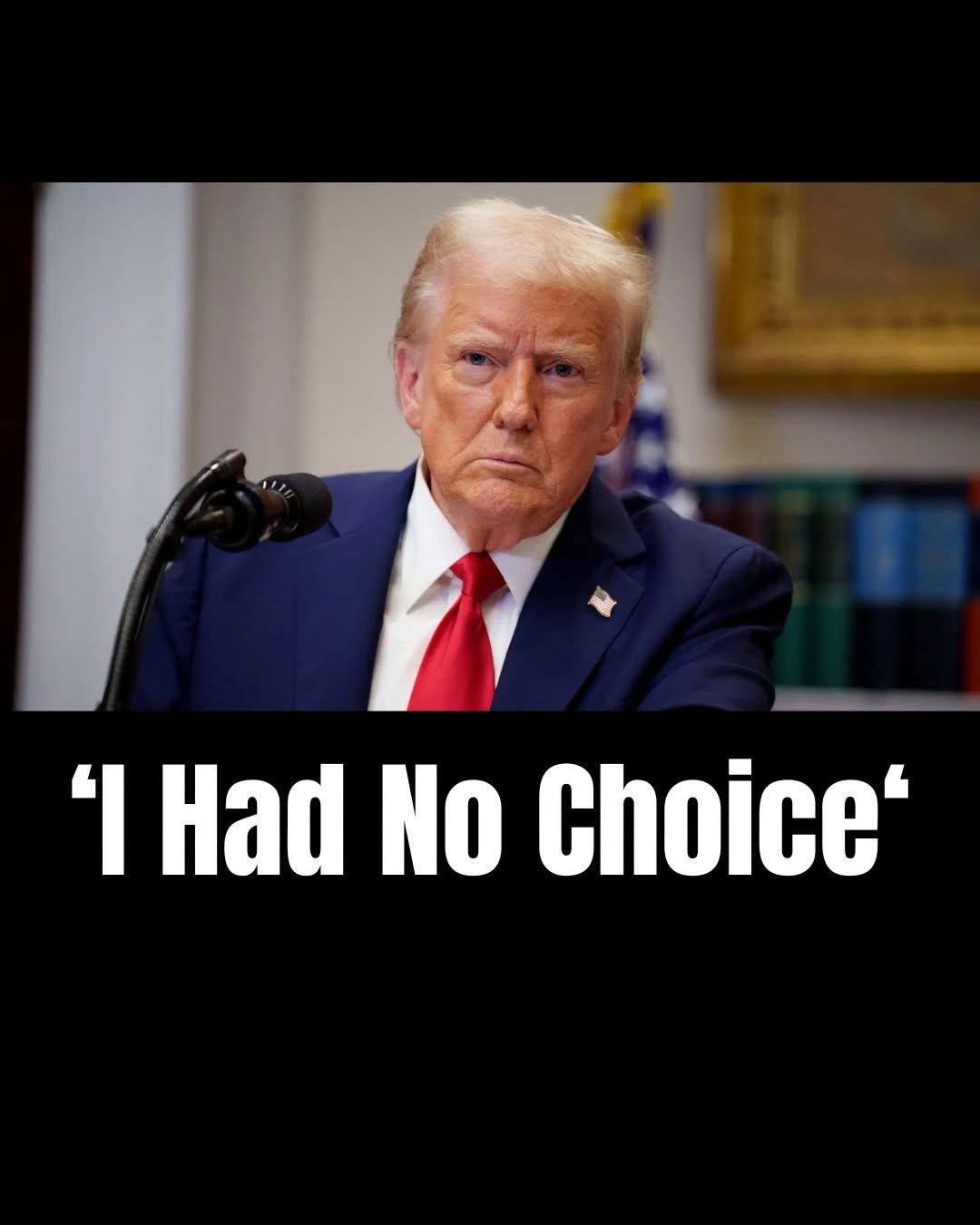
The upcoming mayoral election in Washington, D.C. has attracted growing national interest as political leaders and voters closely watch the direction the nation’s capital may take in the coming years. Recent comments from Donald Trump have added another layer of attention to the race, highlighting broader debates about local governance, public policy, and the future of the city. With the Democratic primary approaching, the contest has become a focal point for discussions that extend far beyond Washington itself.
At the center of the conversation is Janeese Lewis George, a city council member whose campaign has gained significant visibility. Supporters view her as a leader focused on expanding community programs, improving access to housing, and investing in social services. Her campaign has emphasized addressing long-term challenges through public initiatives designed to support residents and strengthen local neighborhoods. As her profile has risen, so too has public debate about the effectiveness of different approaches to urban policy and community development.
One of the key topics in the race involves public safety and youth-related programs. Lewis George has argued that increased investment in educational opportunities, workforce development, mentorship initiatives, and community resources can help address many of the underlying issues facing young people. She has expressed concerns about relying too heavily on enforcement-based measures and instead advocates for policies aimed at prevention and long-term support. Her position has generated both praise from supporters who favor community-centered solutions and criticism from those who believe stronger enforcement tools remain necessary to maintain public order.
The debate surrounding the election reflects larger national conversations taking place within American politics. Questions about housing affordability, economic opportunity, public safety, and the role of government continue to shape discussions in cities across the country. As voters prepare to cast their ballots, the outcome of Washington’s mayoral race is expected to draw attention from political observers nationwide. Regardless of the result, the election has become an example of the differing visions being presented to voters as communities consider how best to address complex urban challenges while balancing growth, safety, and opportunity for residents.