
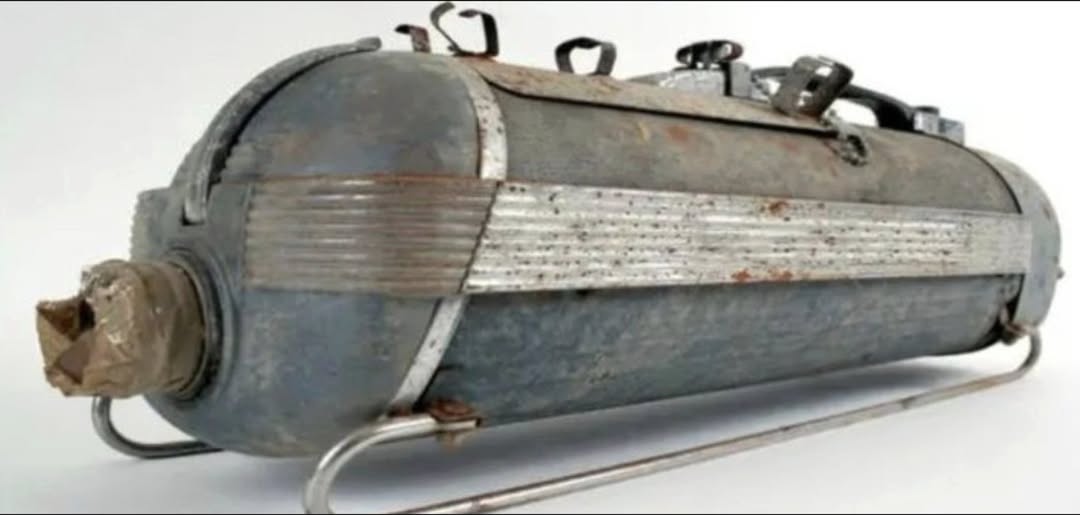
Hidden beneath decades of dust in an attic, the mysterious metal device looked like something from another age. Its heavy construction, unusual shape, and mechanical components made it easy to mistake for a piece of industrial equipment or even an invention from a science-fiction story. In reality, it represented an important chapter in household history: an early vacuum cleaner designed long before the convenience of modern appliances transformed everyday life.
During the late nineteenth century, concerns about dust, smoke, and indoor cleanliness were growing rapidly. As cities expanded and coal-fired heating became common, inventors searched for ways to improve living conditions inside homes. Early cleaning machines emerged as ambitious attempts to address these challenges. Unlike today’s lightweight electric vacuums, many of these devices relied on hand-operated pumps, bellows, or cranks that required significant physical effort. Cleaning a room often meant operating a complex machine while manually generating the suction needed to remove dirt and dust.
One notable example was the “Whirlwind,” developed by inventor Ives W. McGaffey in 1869. Though innovative for its time, the machine demanded considerable energy from the user and was far from convenient. Later developments, including the work of Hubert Cecil Booth, helped transform the concept into a more practical household appliance. These advancements gradually reduced the physical labor involved and paved the way for the electric vacuum cleaners that would become common in homes around the world.
Looking back, these early machines serve as reminders of how dramatically daily life has changed. Tasks that once required strength, patience, and mechanical ingenuity can now be completed with the push of a button. The forgotten device in the attic is more than an old household tool—it is a symbol of innovation and the ongoing effort to make everyday life cleaner, safer, and more convenient for future generations.