
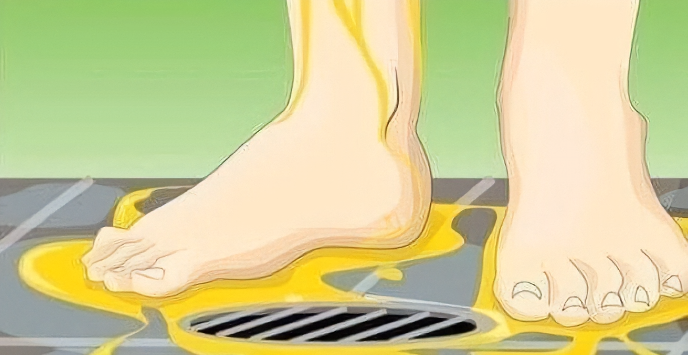
Peeing in the shower is a habit many people admit to because it feels convenient, practical, and harmless. Some people see it as a way to save time, while others believe it helps conserve water by reducing toilet flushing. In shared homes or busy routines, the practice may also feel more private or efficient. Despite how common it may be, however, health professionals say there are several hygiene and health considerations people should understand before treating the habit as completely risk-free.
One concern involves the bathroom environment itself. While urine is generally sterile when it leaves the body in healthy individuals, showers are warm, damp spaces where bacteria and mold can grow easily. Medical experts note that in some situations, urine splashback combined with moisture may contribute to bacterial spread, particularly in shared showers or poorly cleaned spaces. For women, maintaining vaginal and urinary health can be especially important because bacteria introduced near the urinary tract may increase the likelihood of irritation or infections such as Urinary Tract Infection.
Hygiene specialists also point out that showers are designed primarily for cleansing the body rather than waste elimination. Soap residue, body oils, and moisture already create environments that require regular cleaning, and adding urine may contribute to unpleasant odors or additional sanitation concerns if surfaces are not cleaned consistently. In households where multiple people share one shower, this can become an added issue for overall bathroom hygiene.
Another topic experts sometimes discuss involves pelvic floor and bladder habits. Some healthcare professionals suggest that regularly urinating while standing or in certain shower positions may affect how fully the bladder empties, especially for women. Over time, poor bladder habits may contribute to discomfort, bladder retention issues, or increased strain on pelvic floor muscles in some individuals. While occasional shower urination is unlikely to cause major harm for most healthy adults, experts generally recommend paying attention to hygiene, bladder health, and bathroom habits that support long-term comfort and wellness.