
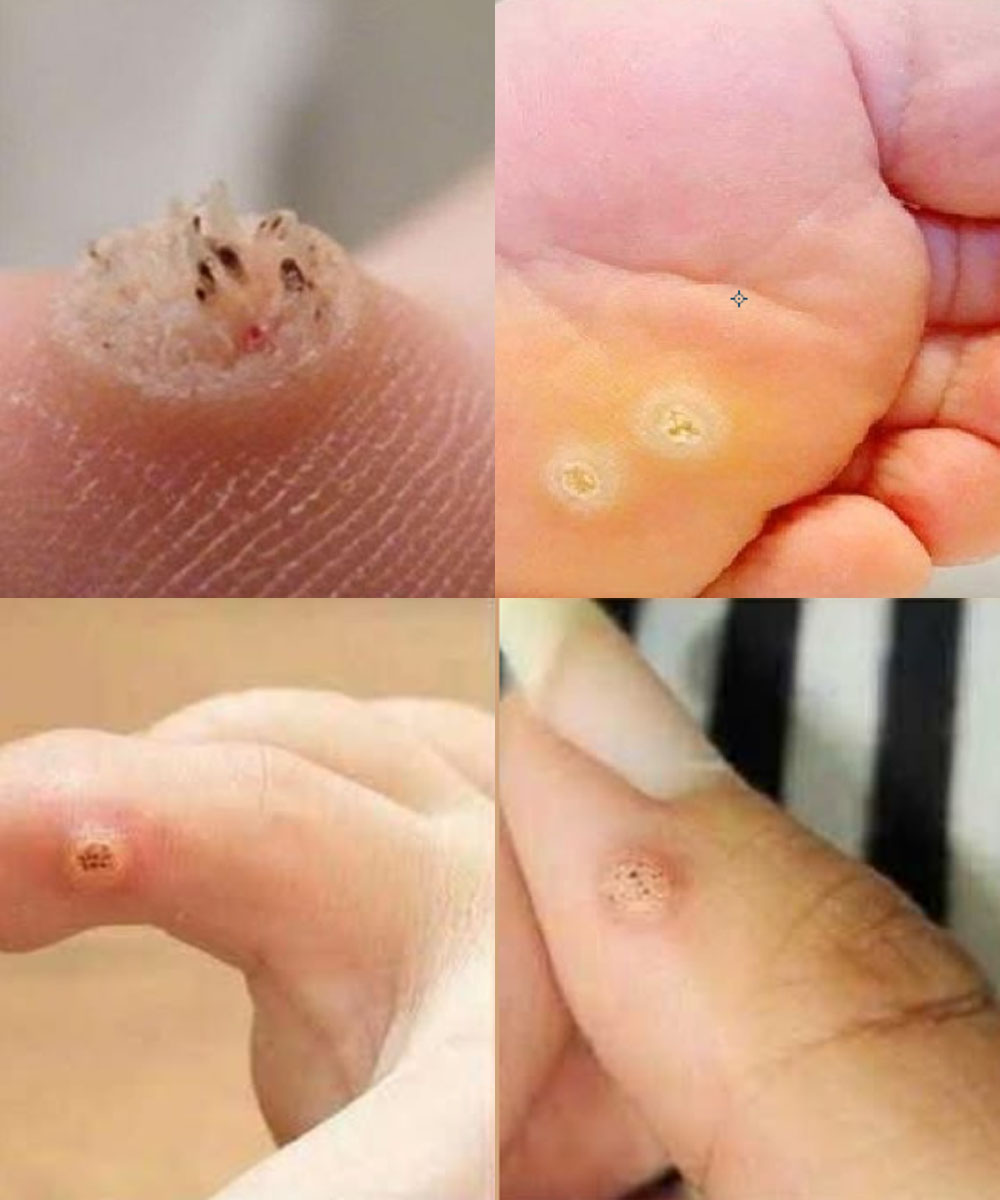
Moles are common skin features made up of concentrated pigment cells, and most remain completely harmless throughout life. They typically stay uniform in shape, color, and size. However, when a mole begins to change—whether in appearance, texture, or sensation—it can be a sign that something more serious is developing. Early awareness is key, as identifying unusual changes promptly can greatly improve treatment outcomes.
Skin specialists often rely on a simple method known as the ABCDE rule to help distinguish between ordinary moles and those that may require closer medical attention. This guideline offers a practical way for anyone to monitor their skin and notice potential warning signs before they progress.
Asymmetry refers to one half of the mole not matching the other, creating an uneven look. Border irregularities include edges that appear jagged, blurred, or poorly defined. Color variation is another red flag, especially when a mole contains multiple shades such as brown, black, red, white, or even blue. Diameter is also important—moles larger than about 6 millimeters (roughly the size of a pencil eraser) should be observed carefully. Finally, evolving changes—whether in size, shape, color, or symptoms like itching or bleeding—are often the most significant indicator that a mole needs evaluation.
If you notice any of these characteristics, it’s important to seek professional medical advice without delay. Regular self-checks combined with routine skin examinations can help detect issues early and support long-term skin health.