
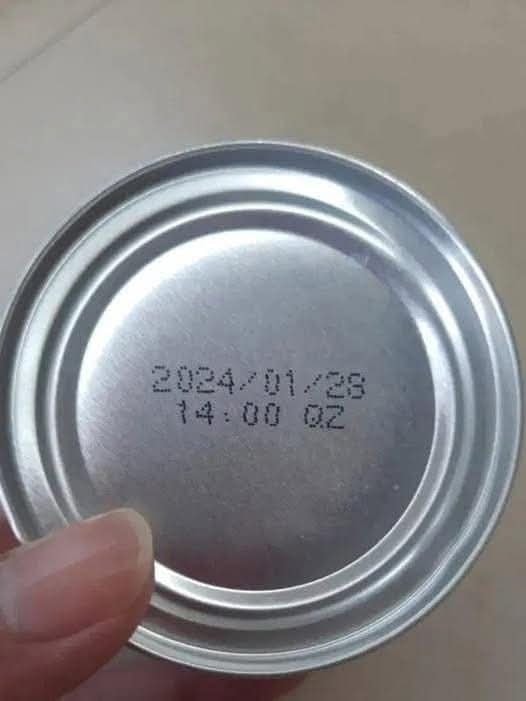
That familiar pause in front of the refrigerator—eyeing a carton or jar and questioning its safety—is often driven more by uncertainty than actual risk. The dates stamped on packaging were never meant to serve as strict safety deadlines. Instead, they were created to guide retailers and indicate when a product is at its peak quality. In reality, most foods don’t suddenly become unsafe once that date passes. They decline gradually, offering clear sensory signals—changes in smell, color, texture, or taste—that people have relied on for generations.
Learning to trust those natural indicators can feel surprisingly empowering. A “Best Before” label frequently signals optimal freshness, not a hard stop. Many unopened foods, especially shelf-stable items, can remain usable well beyond what the packaging suggests. By shifting perspective, the kitchen transforms from a place of hesitation into one of informed decision-making, where instinct plays a valuable role alongside guidance.
This mindset doesn’t mean ignoring food safety—it means approaching it with balance. Proper storage, refrigeration, and basic hygiene still matter. But when paired with awareness and common sense, these practices allow you to rely less on rigid labels and more on practical judgment. Over time, this approach builds confidence, helping you better understand the food you consume and how it behaves.
Ultimately, rethinking expiration dates is about reducing unnecessary waste and reconnecting with everyday awareness. It encourages a more thoughtful relationship with what’s in your fridge, where you’re not just following printed instructions but actively engaging with your environment. With a bit of attention and trust in your senses, that moment of hesitation becomes an opportunity to make a clear, confident choice.