
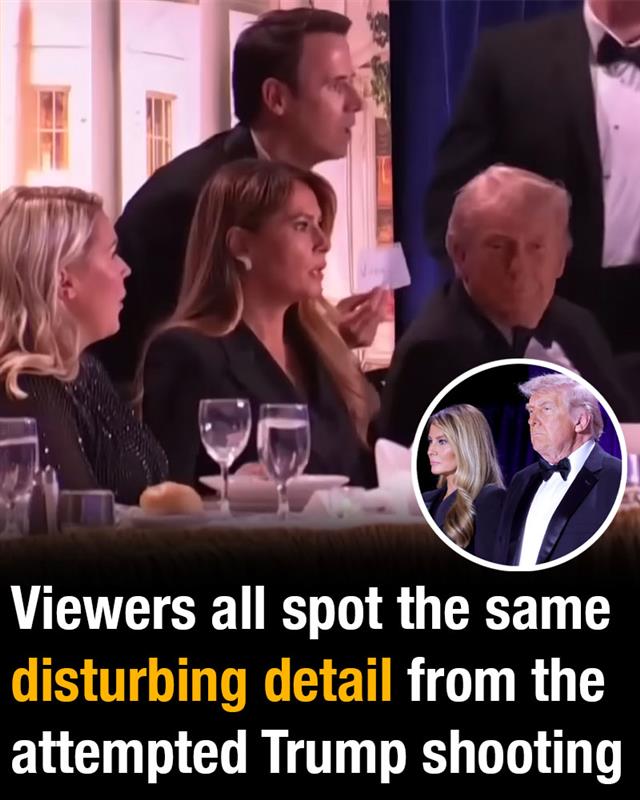
Reports and commentary around an alleged incident at the White House Correspondents’ Dinner have circulated widely, but it’s important to note that many of the dramatic details being shared—especially comparisons and specific claims—have not been fully verified by official sources. In fast-moving situations, narratives can quickly take shape online before facts are confirmed.
What has resonated with people is the emotional reaction tied to location and history. The Washington Hilton is remembered as the site of the 1981 assassination attempt on Ronald Reagan. Because of that, any suggestion of a security scare there naturally carries symbolic weight, even if the circumstances are very different or still unclear.
This is where perception can become powerful. When people connect present-day events—real or rumored—to well-known historical moments, it can create a sense of repetition or unease. That reaction says less about confirmed facts and more about how collective memory shapes interpretation, especially during moments of uncertainty.
In situations like this, separating verified information from speculation is essential. Public safety concerns should always be taken seriously, but so should accuracy. What feels like a “disturbing detail” is often the result of how stories are framed and shared, rather than something definitively established.