
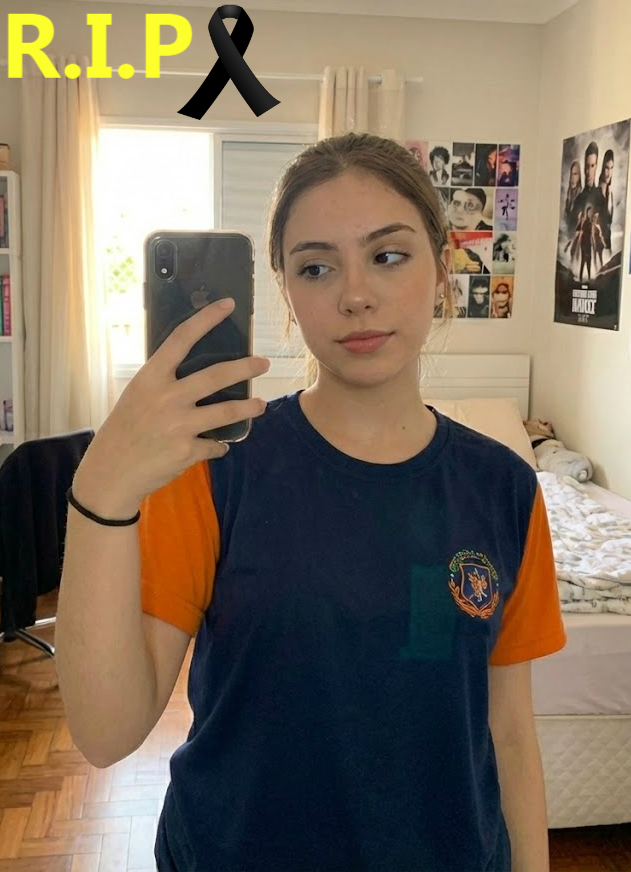
Ana’s story has left a deep impact on those who knew her and many who have since heard about her experience. At just 20 years old, she had been dealing with symptoms—cramping, fatigue, dizziness—that are often dismissed as routine. For many young women, these signs are normalized to the point that seeking urgent care doesn’t feel necessary. In Ana’s case, what seemed manageable turned out to be something far more serious.
Her passing has sparked difficult but important conversations. Loved ones are now speaking openly about how easily warning signs can be overlooked, especially when they’re framed as “common” or expected. They are encouraging others to pay close attention to sudden changes—such as unusually severe pain, heavy or irregular bleeding, fainting, or persistent weakness—and to treat them as signals that deserve immediate medical attention.
This moment has also highlighted a broader issue: the need for better awareness and responsiveness when it comes to women’s health. Too often, symptoms are minimized or delayed in evaluation, which can allow underlying conditions to progress unnoticed. Listening carefully, asking questions, and seeking timely care can make a meaningful difference.
Ana’s story is now being shared not only in grief, but with purpose. Her family and community hope it will encourage others to trust their instincts, speak up when something feels wrong, and seek help without hesitation. In that way, her memory becomes part of a larger effort—to ensure that serious symptoms are recognized early and that no one feels they have to endure pain in silence.