
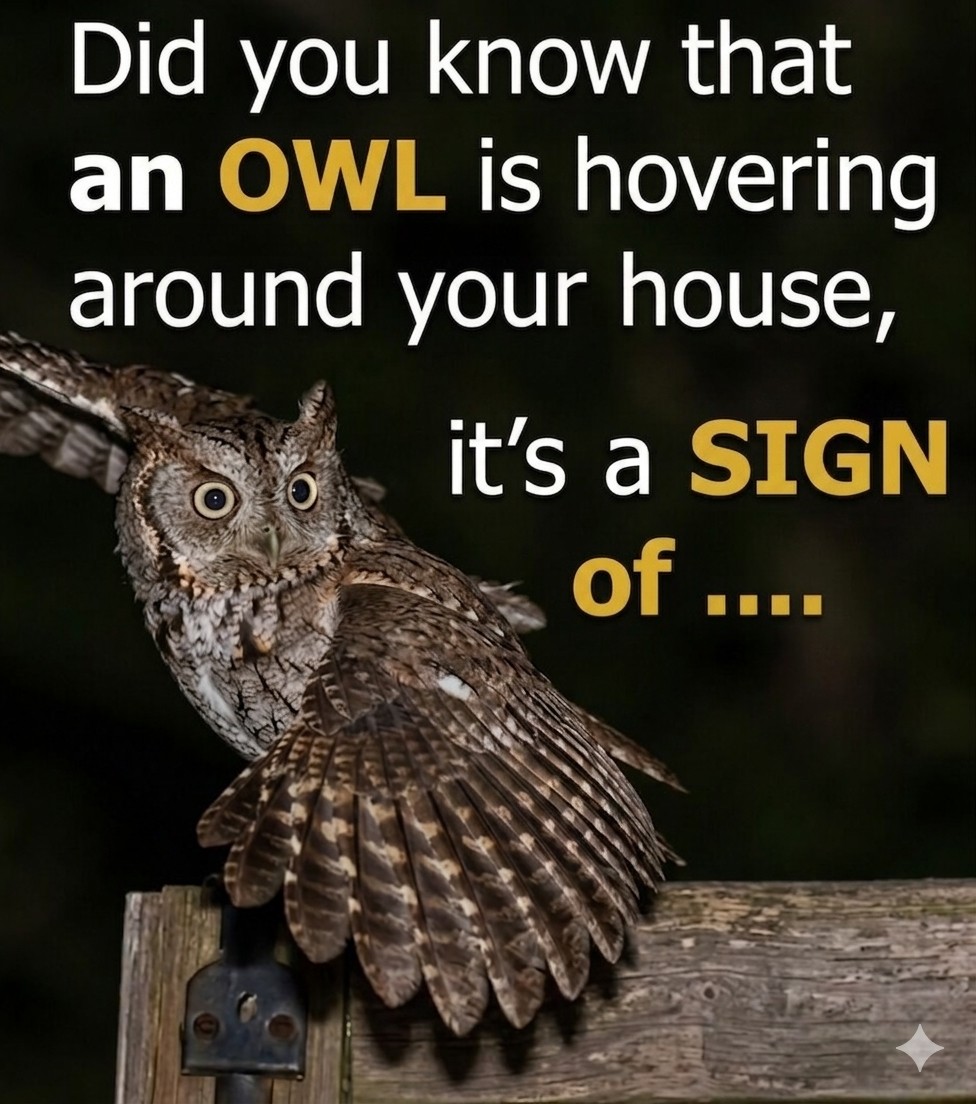
When the world settles into silence, owls come to life. These birds are naturally adapted to nighttime conditions, moving through darkness with a calm precision that can feel almost mysterious. Instead of depending on daylight like many other species, owls rely on finely tuned senses that allow them to navigate, hunt, and survive with remarkable efficiency after sunset.
A key part of their success lies in how they move. Owls are known for their nearly silent flight, made possible by the unique structure of their feathers. This design reduces sound as they glide through the air, giving them a clear advantage when approaching prey. Combined with natural coloring that blends seamlessly into trees and shadows, they are both unseen and unheard in their environment.
Their senses complete the picture. Large, forward-facing eyes are built to capture as much available light as possible, helping them see clearly even in dim conditions. At the same time, their hearing is incredibly precise, allowing them to detect the slightest movement—sometimes even beneath leaves or snow. Together, these abilities make owls highly effective nighttime hunters.
Beyond biology, owls have long captured human imagination. Often linked with wisdom and quiet observation, their presence feels symbolic to many. Yet in reality, their nighttime activity is simply a normal and important part of nature’s rhythm. Even when everything seems still, owls remind us that life continues—quietly and steadily—in the dark.