
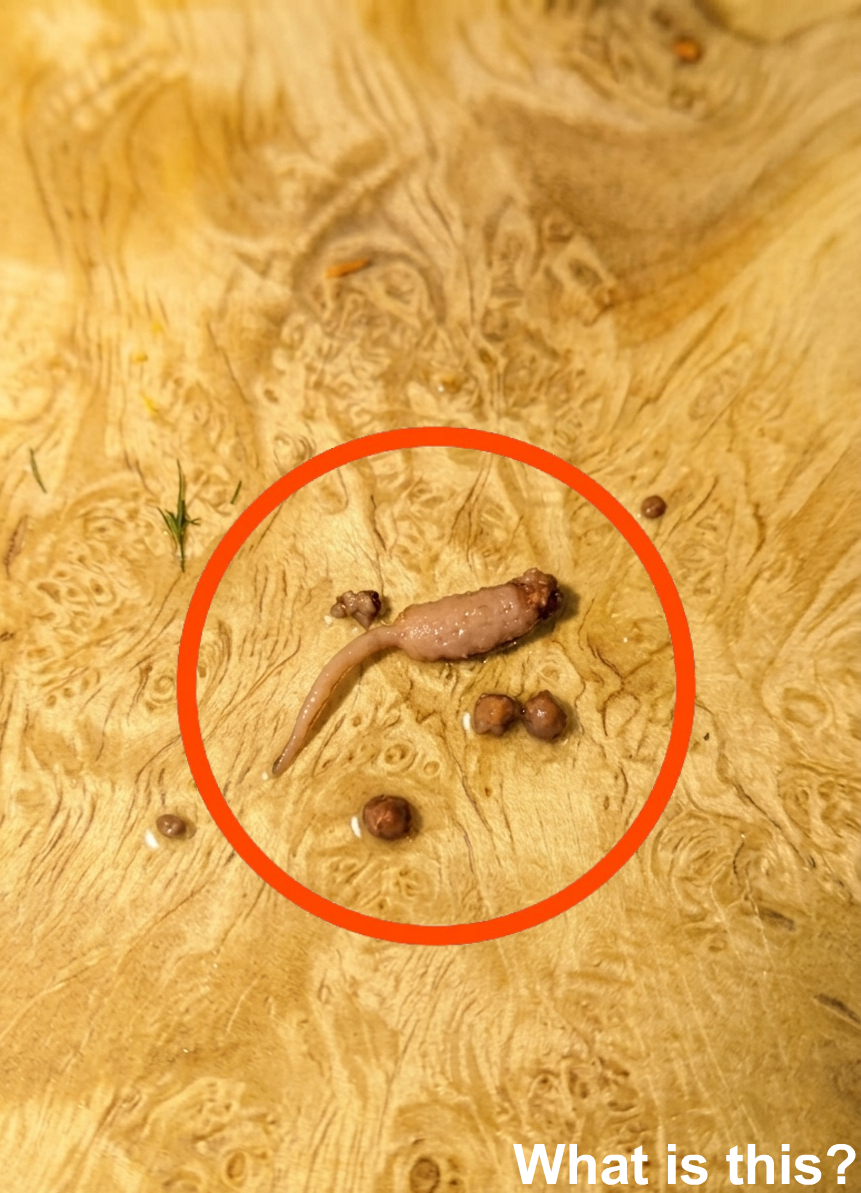
It’s a moment that can make anyone pause—pulling cooked ground beef from the pan and spotting something that doesn’t look quite right. When the shape is pale, stringy, or oddly curled, it’s easy to jump to alarming conclusions. But in most cases, what you’re seeing has a simple and harmless explanation.
Ground beef isn’t made up of perfectly uniform muscle. It naturally includes small amounts of fat, gristle, and connective tissue. When heat is applied, these components react differently than the meat itself. Connective tissue—like tendon or collagen—can shrink, tighten, and twist as it cooks, sometimes forming shapes that look unfamiliar or unsettling.
While the appearance can be surprising, this is a normal part of how meat behaves during cooking. As long as the beef was properly stored, cooked thoroughly, and doesn’t have an unusual smell or texture overall, it’s generally safe to eat. These bits may not be appealing, but they’re not harmful.
If you prefer a more consistent texture, you can remove any unusual pieces before serving or choose higher-quality ground beef with a lower amount of connective tissue. But rest assured—what looks strange at first glance is usually just a natural byproduct of cooking, not a cause for concern.